Presented with the pomp typical of major automakers, the Dodge Charger I (1964), Charger II (1965), and Charger III (1968) concept cars became yet another example of how quickly even the most striking show cars can fade into obscurity.
The first two concepts appeared during a very difficult period for Chrysler. The company was only just beginning to recover from a serious design and financial crisis triggered by its unsuccessful 1962 model lineup.
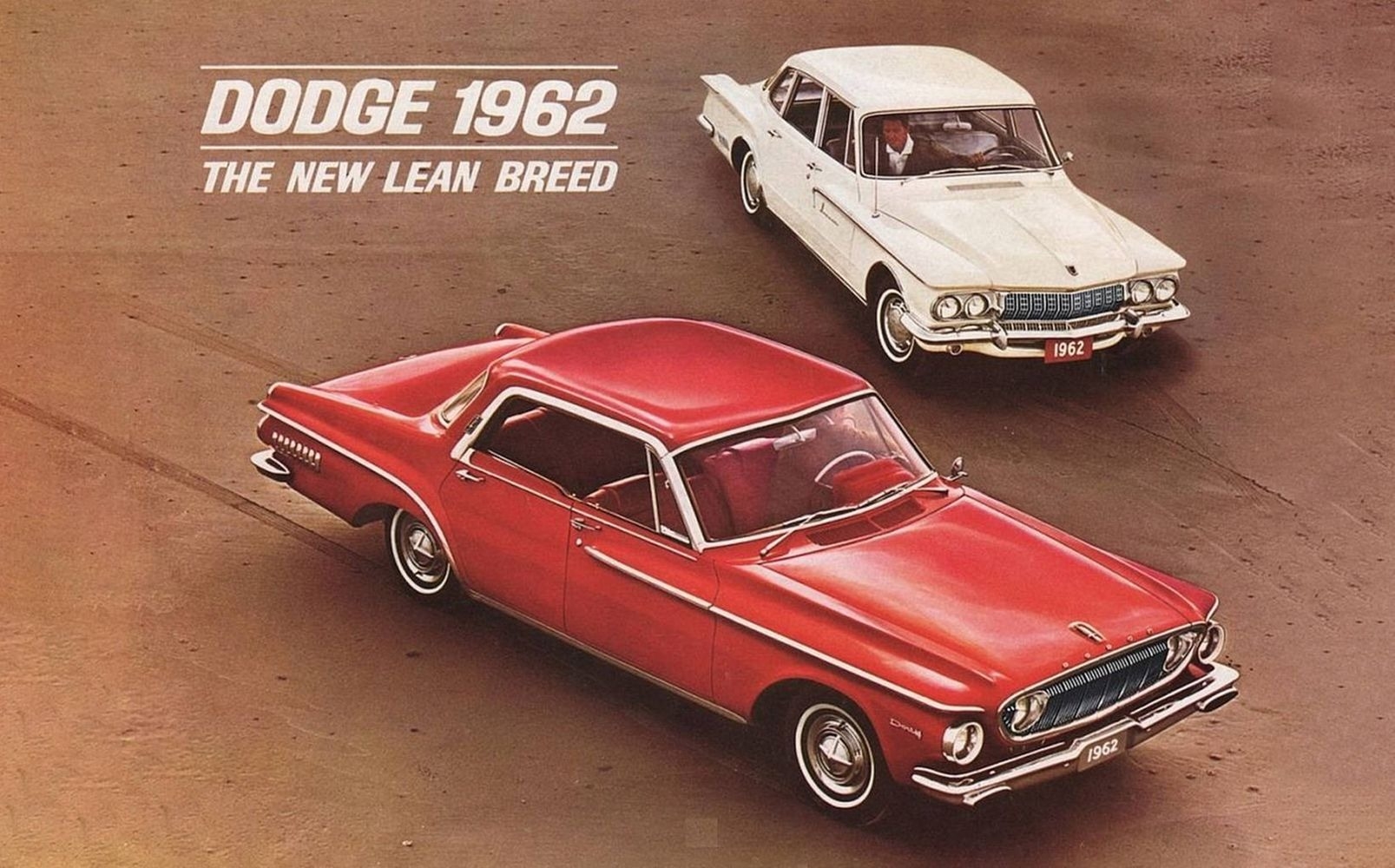
These vehicles were smaller than their predecessors and featured controversial styling based on the “S-Car” project. Essentially, they were enlarged versions of the compact 1960 Plymouth Valiant — the company’s most affordable car.

The consequences of this miscalculation were severe. Chrysler suffered a sharp drop in sales, and the company’s leadership underwent massive changes. President Bill Newberg, Chairman Tex Colbert, and chief designer Virgil Exner all lost their positions.
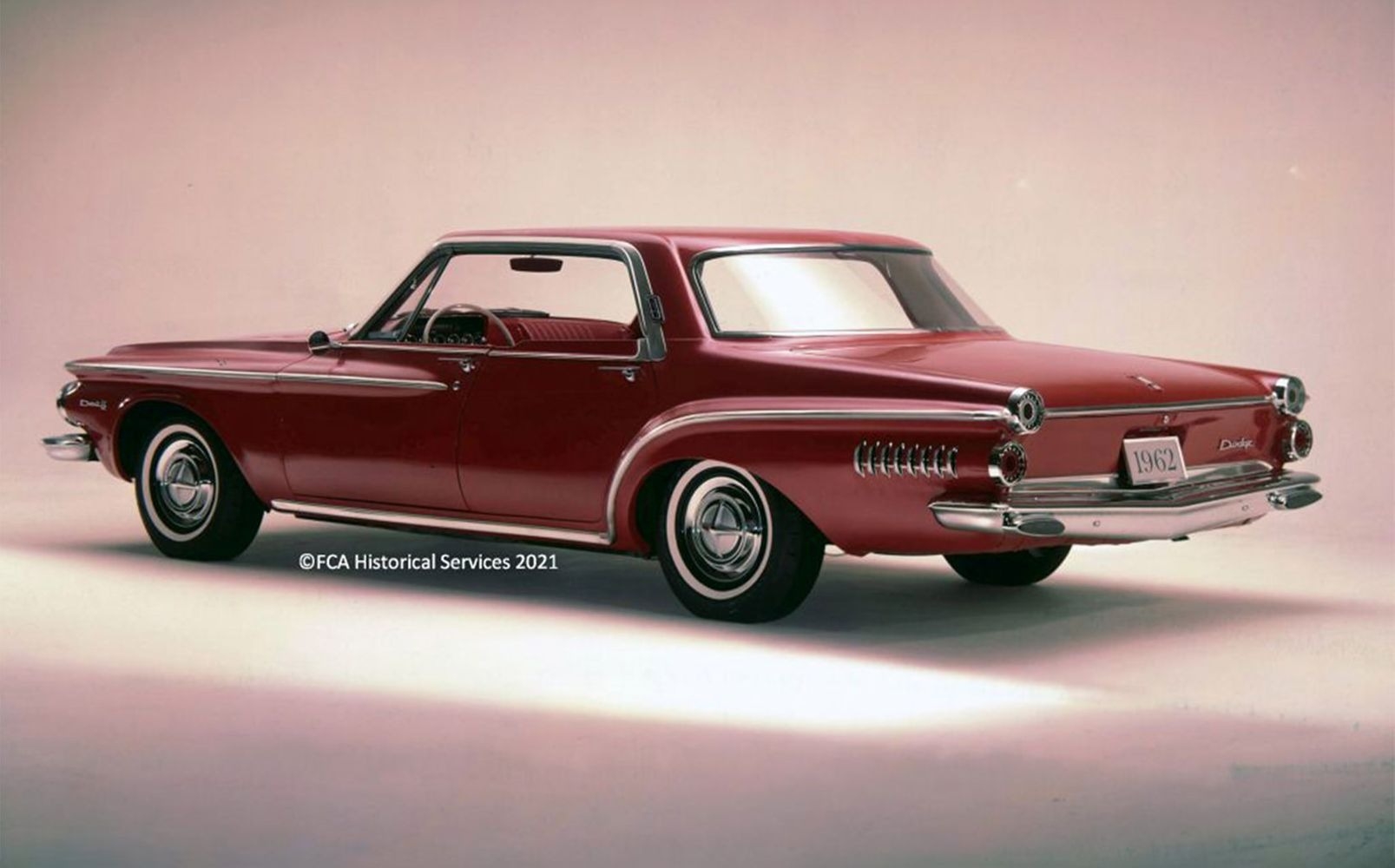
One of the brightest examples of this failure was the 1962 Dodge Dart. Its wheelbase was shortened from 119 inches to 116 inches after Chrysler President Bill Newberg mistakenly believed that General Motors was also downsizing its cars. He was wrong.
As a result, the new models ended up looking like the two-year-old budget Plymouth Valiant, which by then was already common on the used car market. Why Chrysler management thought this strategy would be successful remains a mystery.
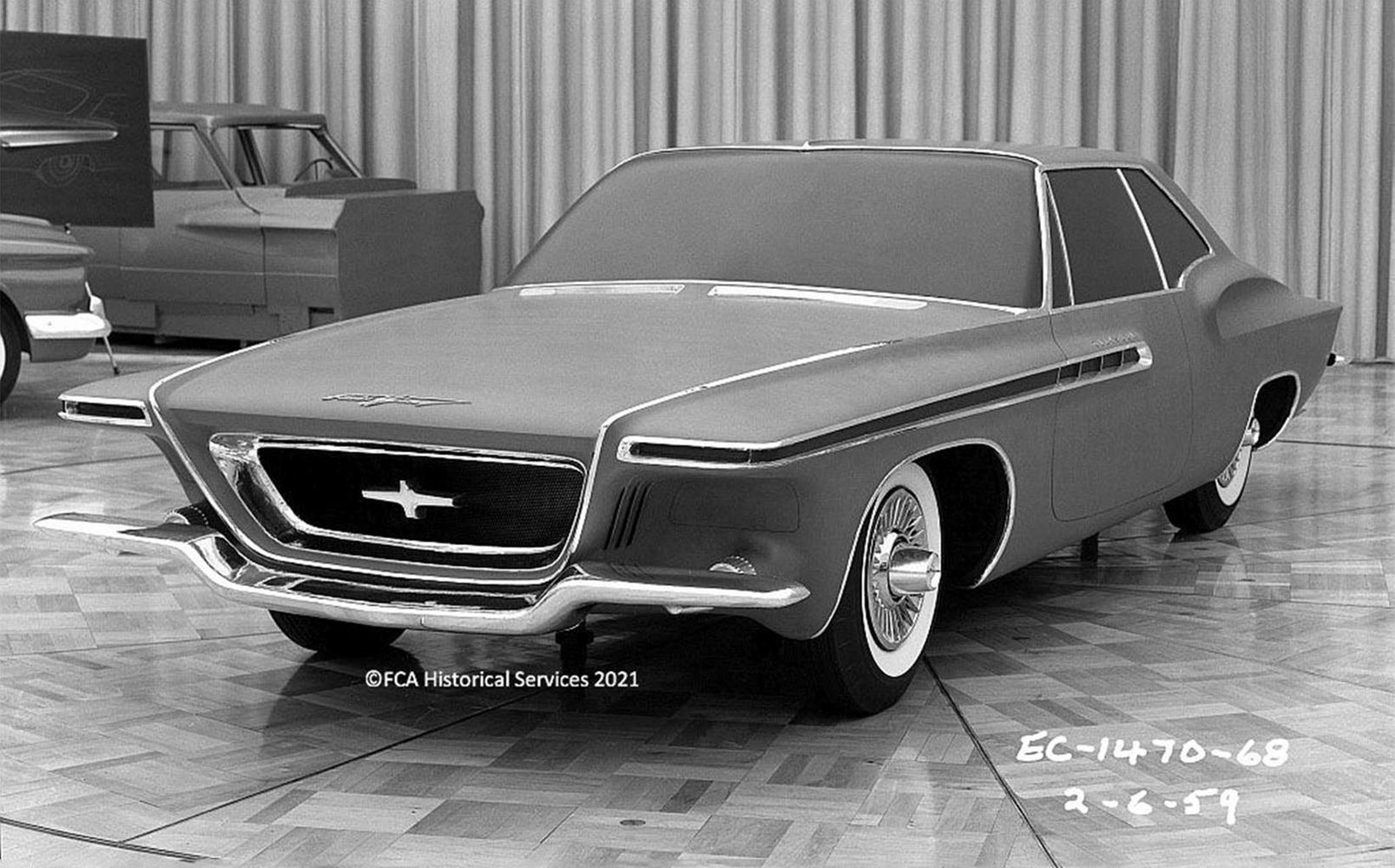
After Exner’s departure, former Ford chief designer Elwood Engel took over the styling department. His task was to completely change the look of Chrysler vehicles.
Engel was a proponent of the classic American “longer, lower, and wider” philosophy. Starting with the 1963 and 1964 models, he began eliminating the complex body curves typical of 1962 cars, replacing them with straight lines and flat surfaces. In many ways, the new style echoed the ideas of his famous 1961 Lincoln Continental.
Having previously worked at both Ford and General Motors, Engel fully understood the importance of concept cars. They not only showcased new design ideas but also shaped public taste while providing the company with powerful publicity.
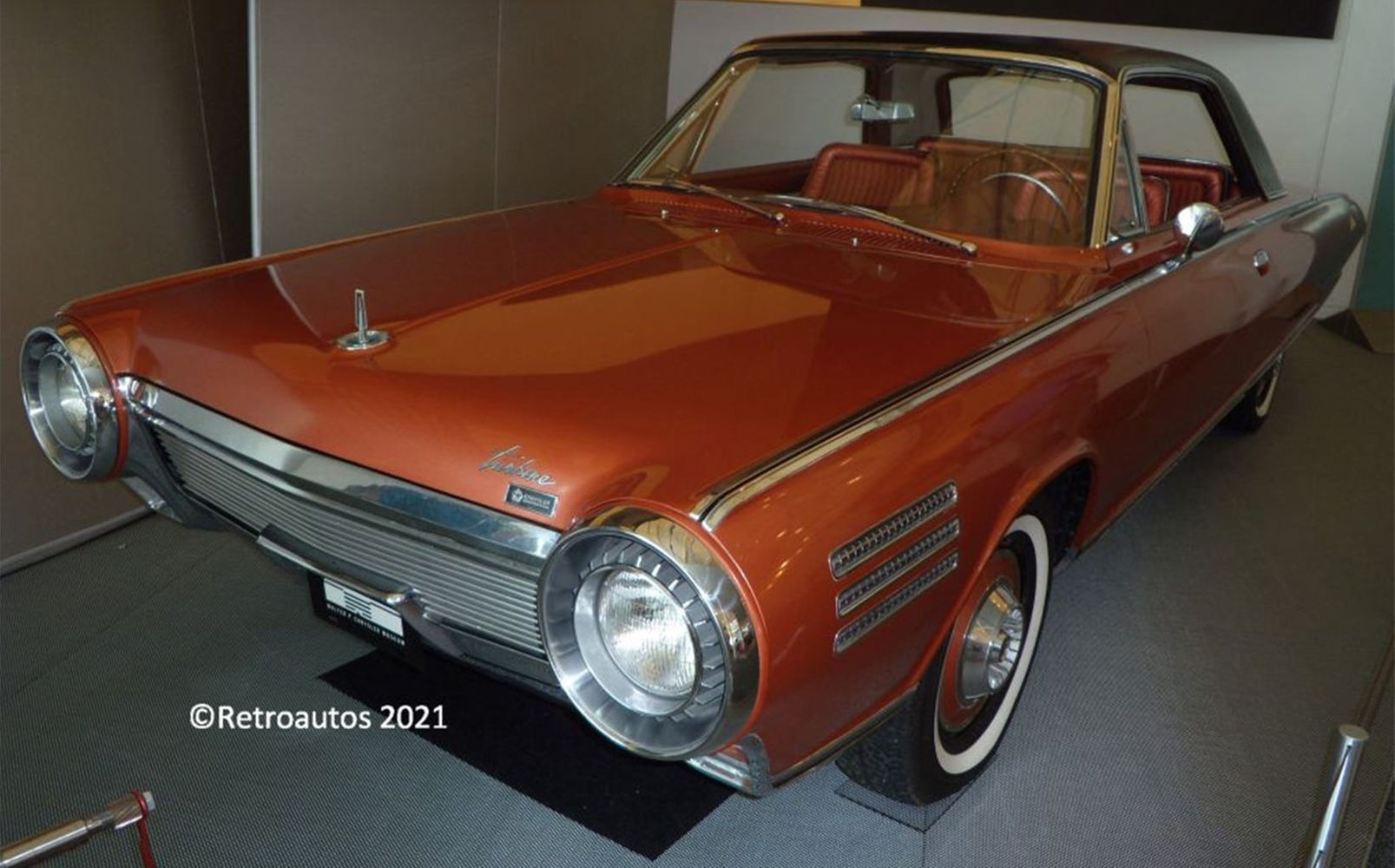
The first concept developed under his leadership was the legendary Chrysler Turbine, which debuted on May 14, 1963.
The gas-turbine-powered car became a symbol of Chrysler’s engineering prowess and new design direction. Painted in bronze, the Turbine created a genuine sensation and generated an enormous amount of free press coverage for the brand.
For this unusual program, the company commissioned Italian coachbuilder Ghia to build 50 cars. Chrysler then launched a two-year experiment: anyone could write a letter requesting participation. If approved, the person received a Turbine for personal use for three months.
This promotion is still considered one of the most unusual and successful marketing campaigns in automotive history.
The first two Charger concepts were not as ambitious as the Chrysler Turbine, but they played an important role in the strategy to restore confidence among customers and dealers. They were meant to show that the company had survived the crisis and was already preparing exciting new models.
The Charger I and Charger II were created on a very tight schedule, so they were built on existing vehicle platforms.
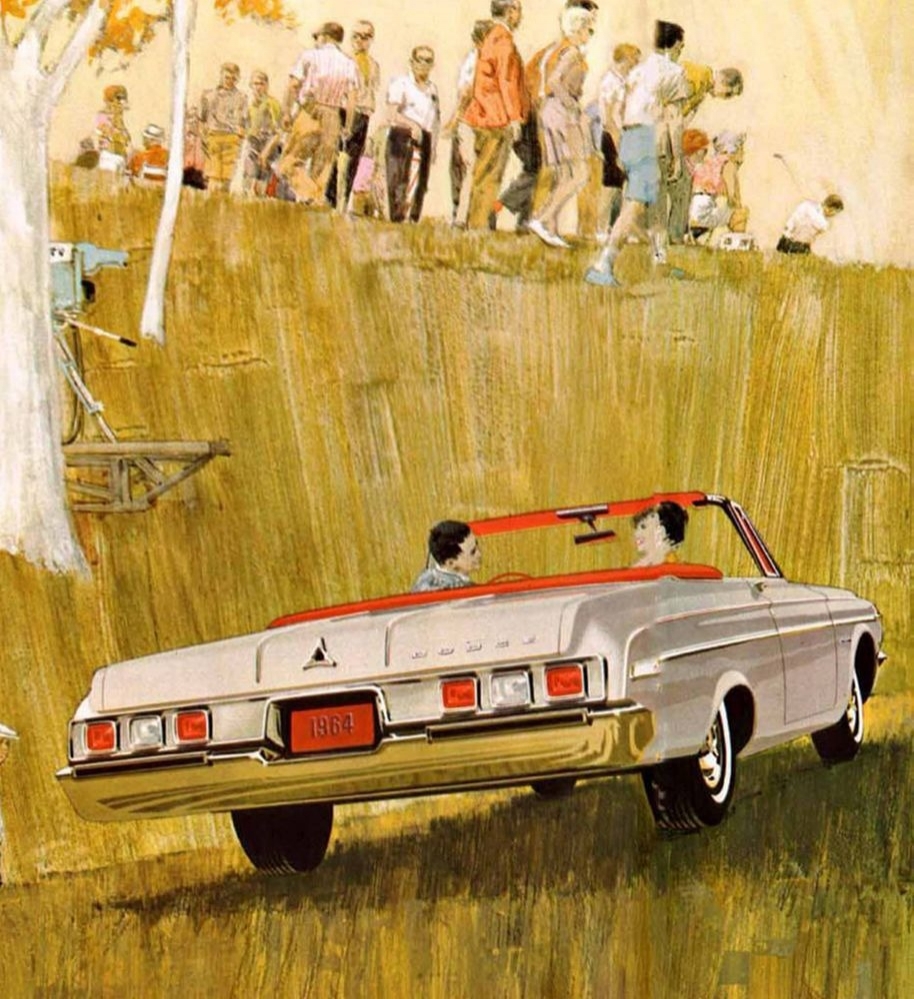
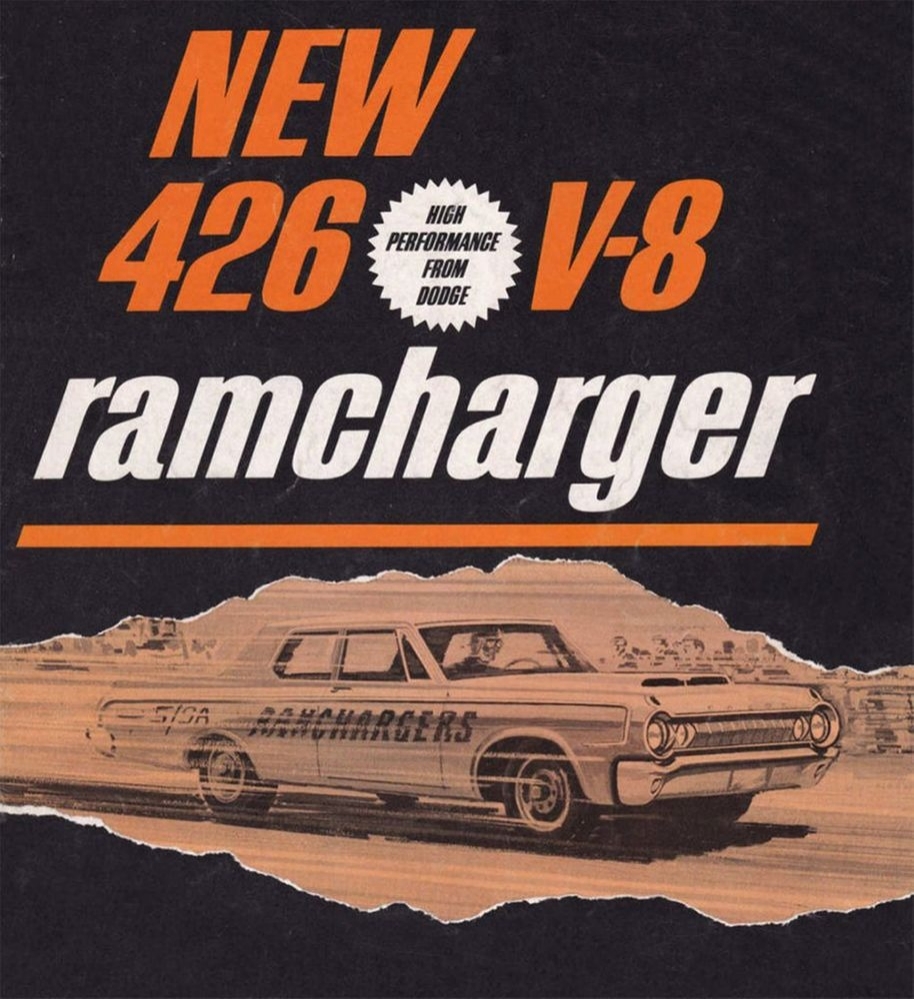
The Charger I was a heavily modified 1964 Dodge Polara convertible. It was a full-size car with a 119-inch wheelbase. Its sporting image was reinforced by references to the famous Ramchargers drag racing team.
Designers equipped the concept with a massive roll bar featuring two integrated headrests. The windshield was shortened by nearly half, and the A-pillars were replaced with thin chrome elements. An extended cover appeared over the rear seats, while the remaining space was divided by a tall central tunnel into two individual seats.
Under the hood was a new 426-cubic-inch Hemi V8, with exhaust exiting through side pipes. The body was painted bright Candy Apple Red, accented by two white racing stripes, spoked wheels, and whitewall tires.

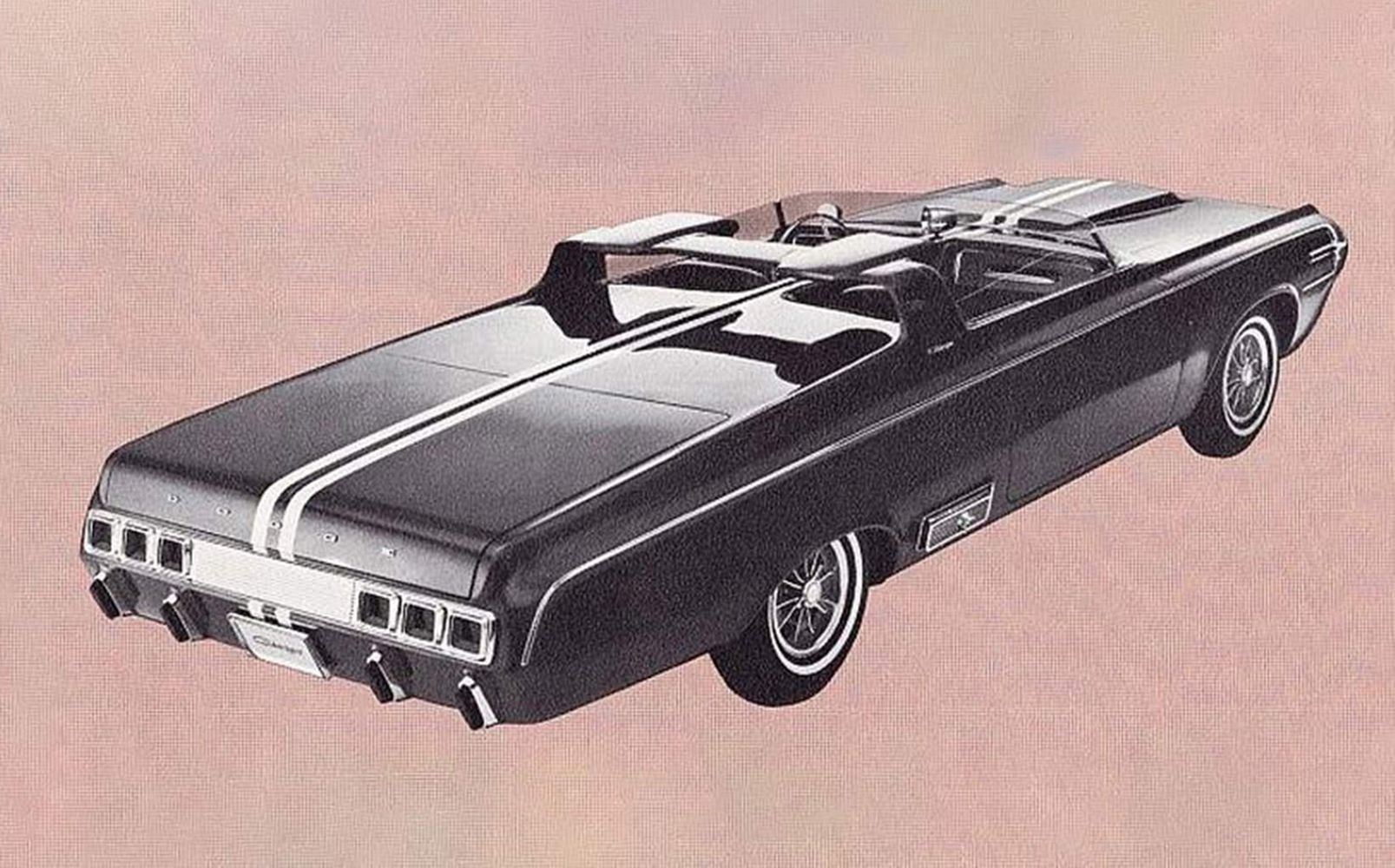
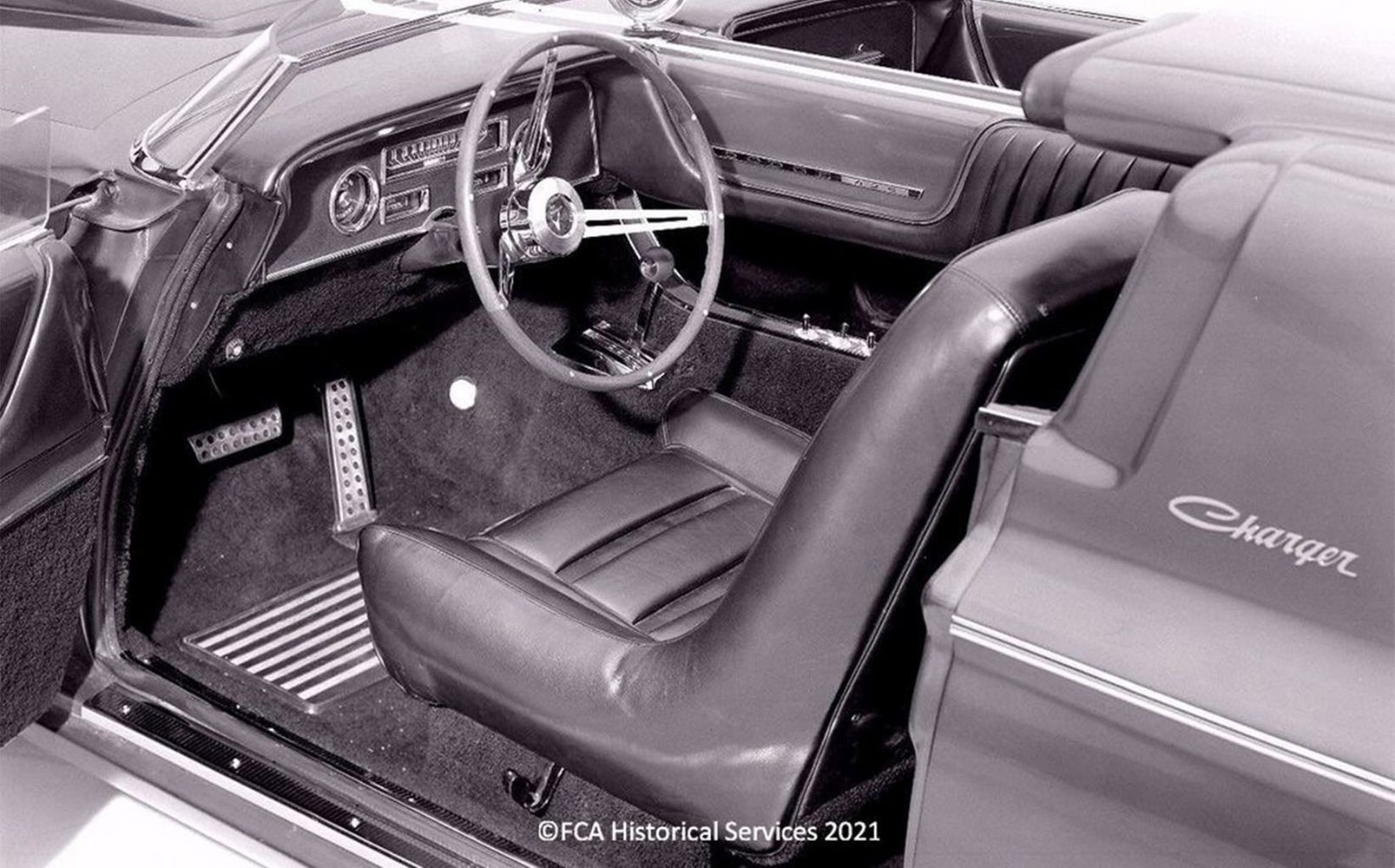
Despite its origins as a production convertible, the Charger I looked genuinely aggressive. The high central console carried the white stripes from the hood through the interior to the trunk lid, creating a cohesive sporting appearance.
When the Charger II was shown to the public in 1965, Dodge representatives called it “nothing more than a design exercise.” In reality, the concept appeared only after the design of the production 1966 Charger had been finalized.
The story of the production Charger began with persistent requests from Dodge dealers for their own performance car to counter the success of the 1964 Plymouth Barracuda. Chrysler CEO Lynn Townsend refused to give the Barracuda to the Dodge brand but promised a larger model capable of competing with the Pontiac GTO.
To speed up development, designers started with a Dodge Coronet coupe, fitted it with a sloping fastback roof, a concave rear window, and hidden headlights.
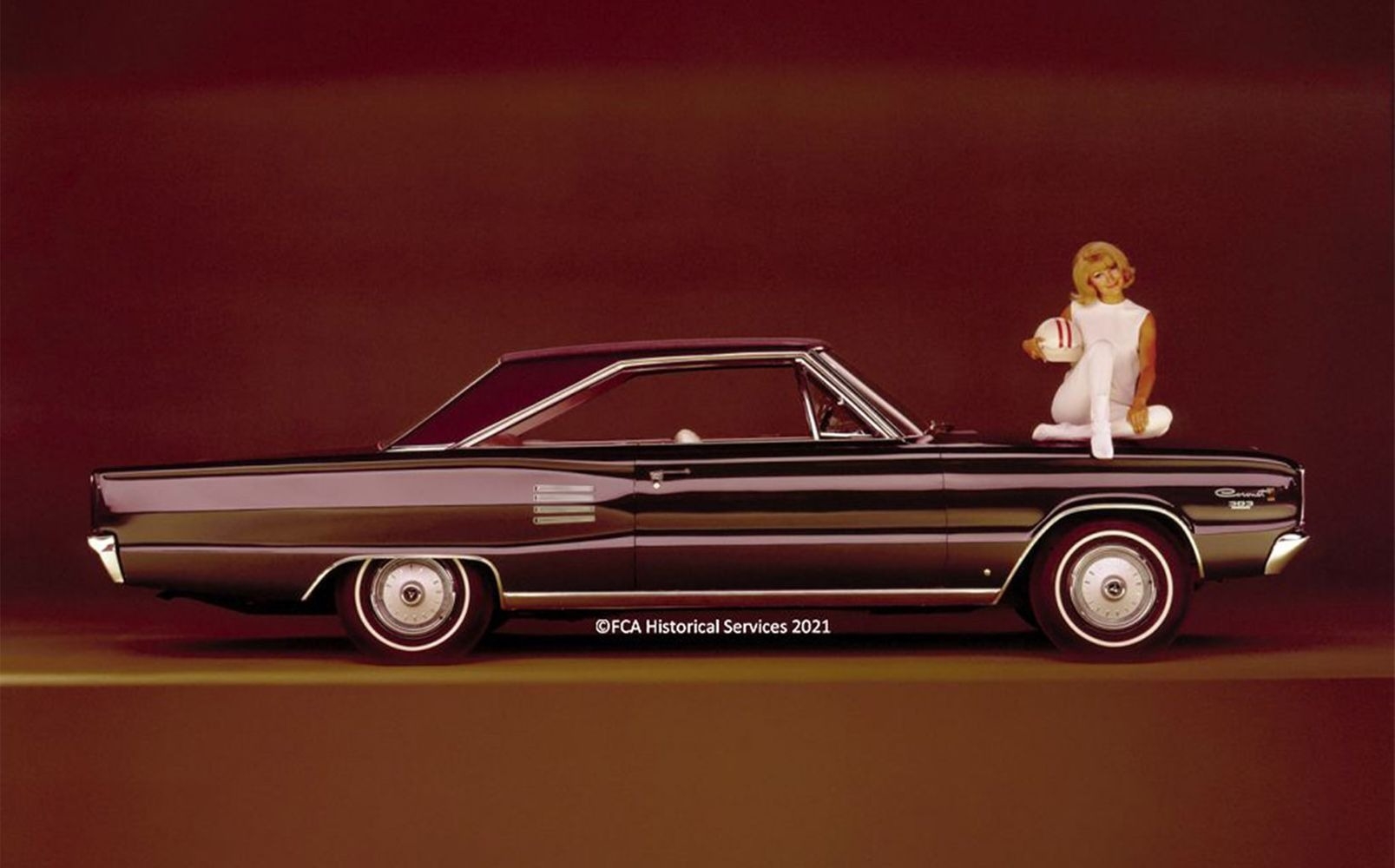
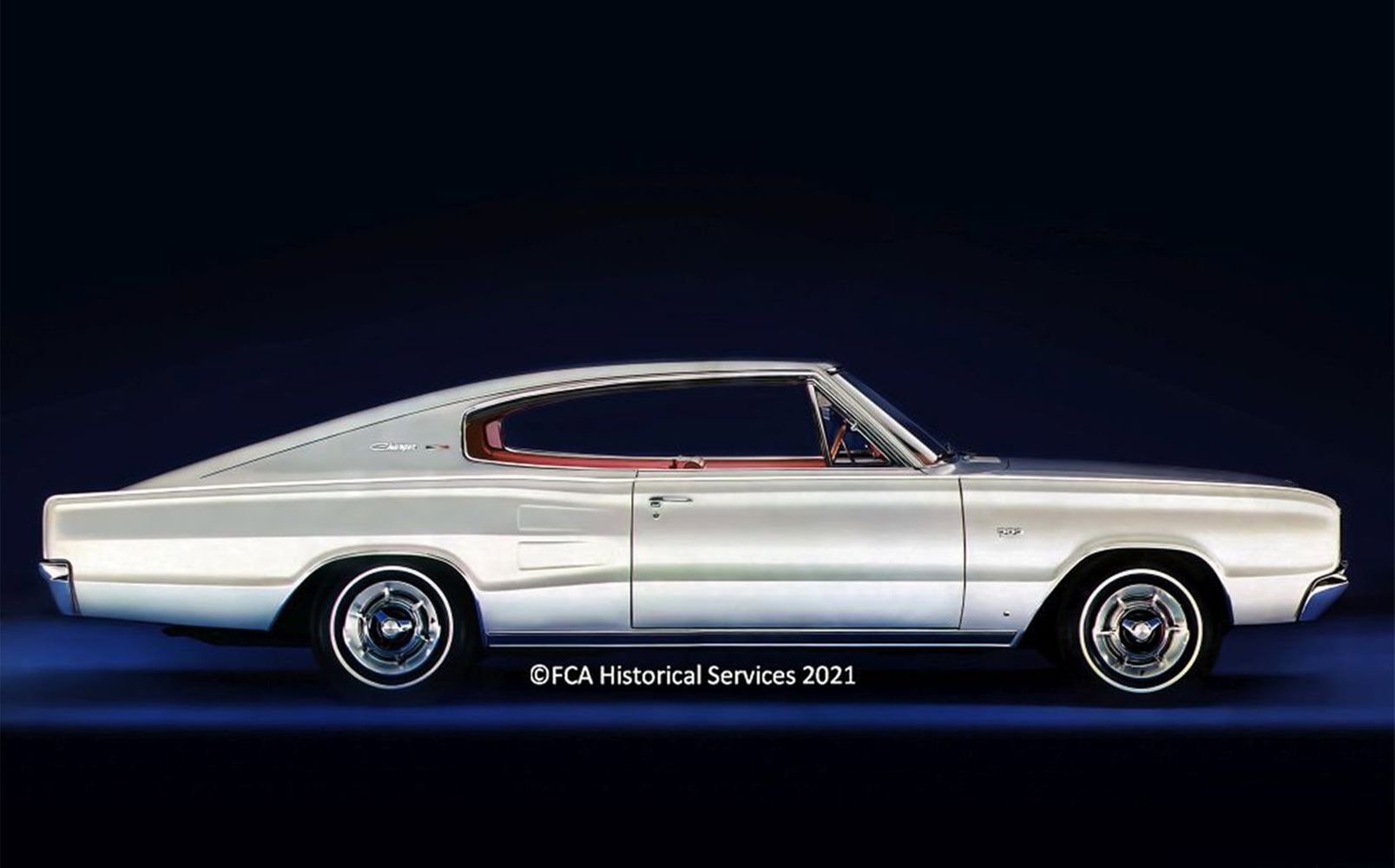
The first production Charger proved to be a successful reworking of the Coronet and sold approximately 52,000 units in its first 18 months. After the all-new generation arrived in 1968, annual sales jumped to 92,000 units.
The model perfectly embodied Elwood Engel’s design philosophy — long, wide proportions, straight lines, and a body visually stretched to its corners.
The Charger II concept allowed Dodge to begin its advertising campaign nearly a year before the production model’s debut and strengthen its image as a maker of powerful cars. It became part of the famous “Dodge Rebellion” campaign, which urged buyers to reject boring traditions, challenge the status quo, and choose a truly exciting automobile.
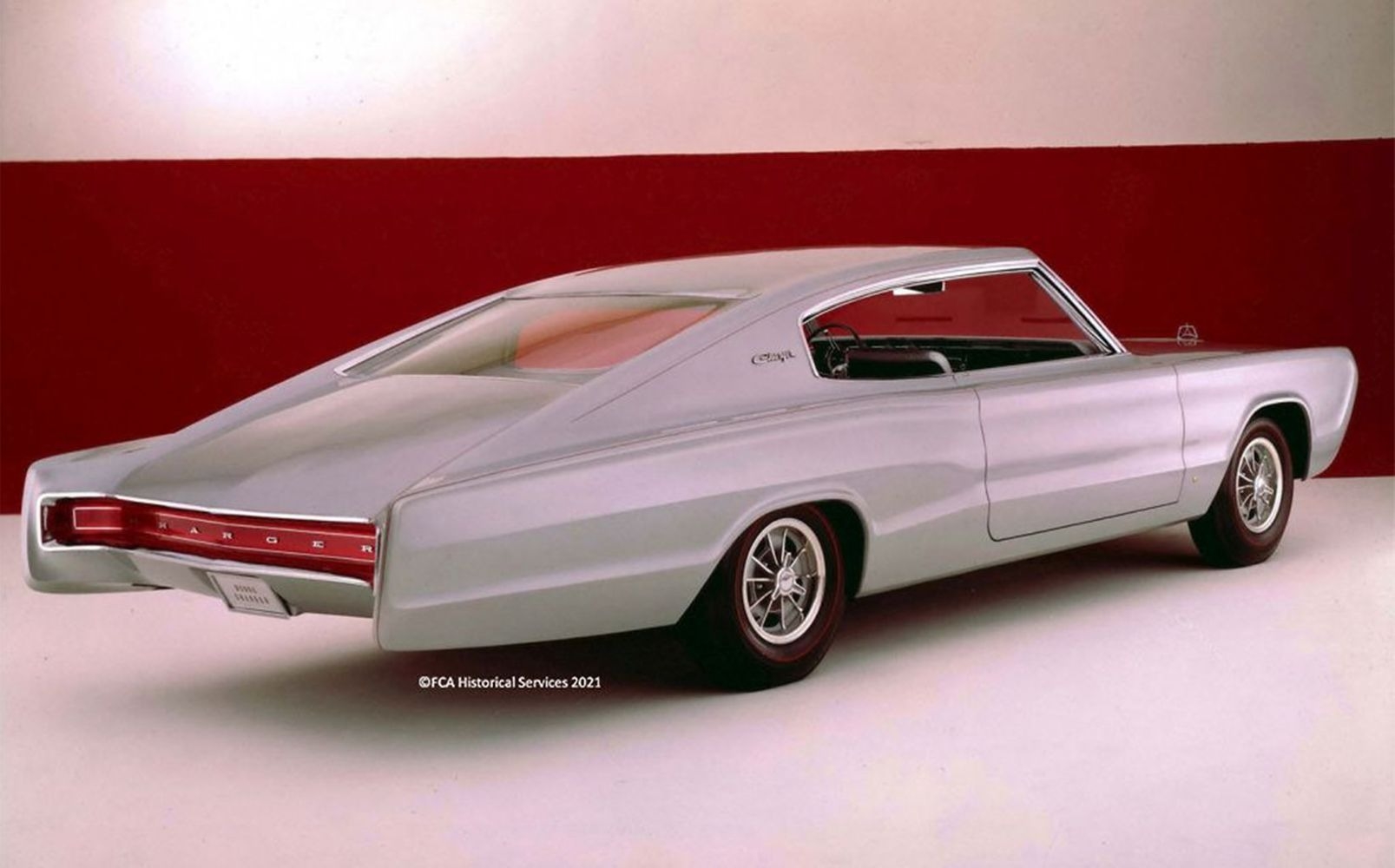
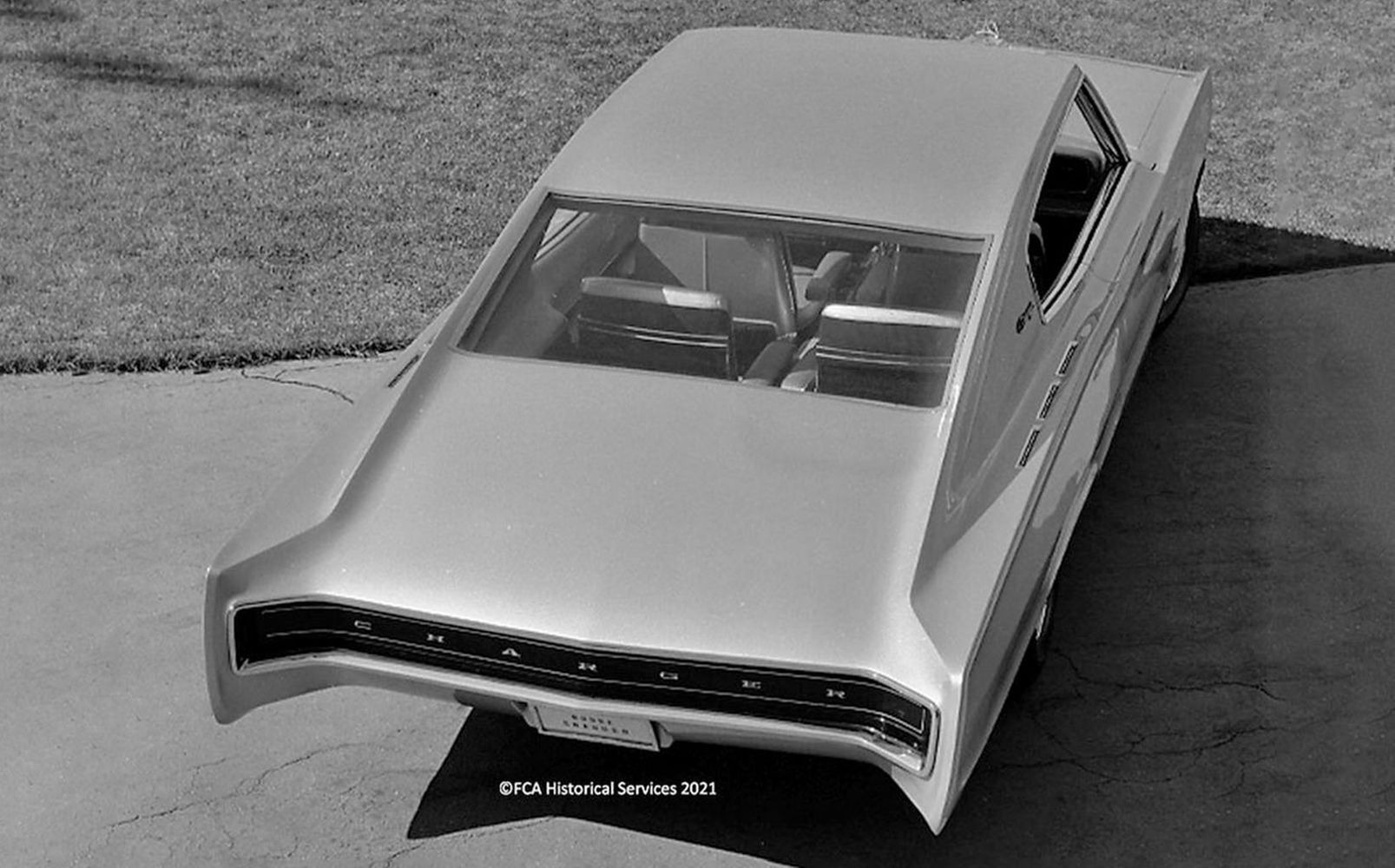
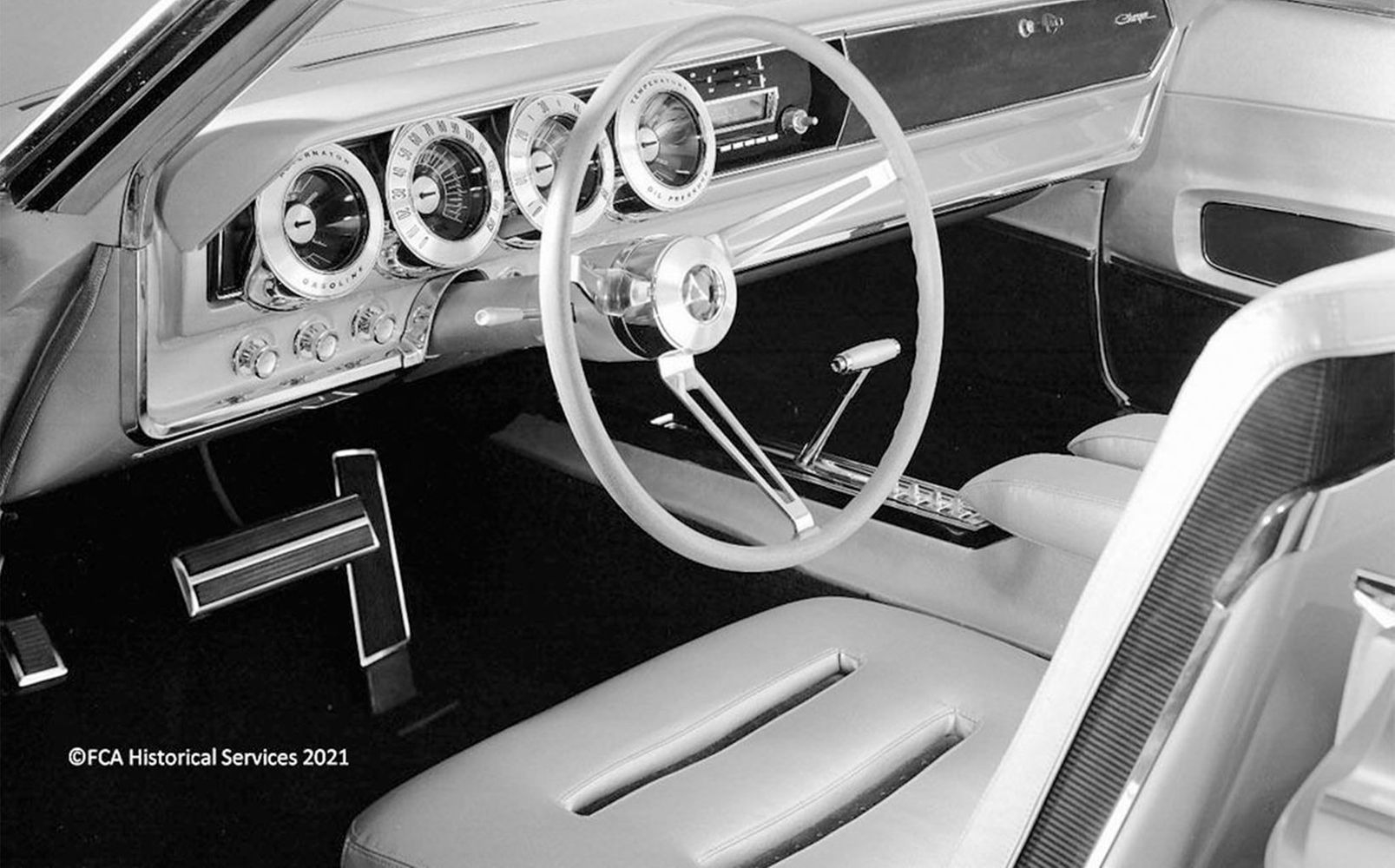
The Charger II was never a fully functional running car. Promotional literature claimed it could be equipped with any of Chrysler’s Hemi V8 engines.
The interior featured four individual bucket seats separated by a central console that ran from the dashboard to the rear. The rear seats folded flat, creating a large cargo area. This idea was taken directly from the Plymouth Barracuda and carried over to the production Charger with almost no changes.
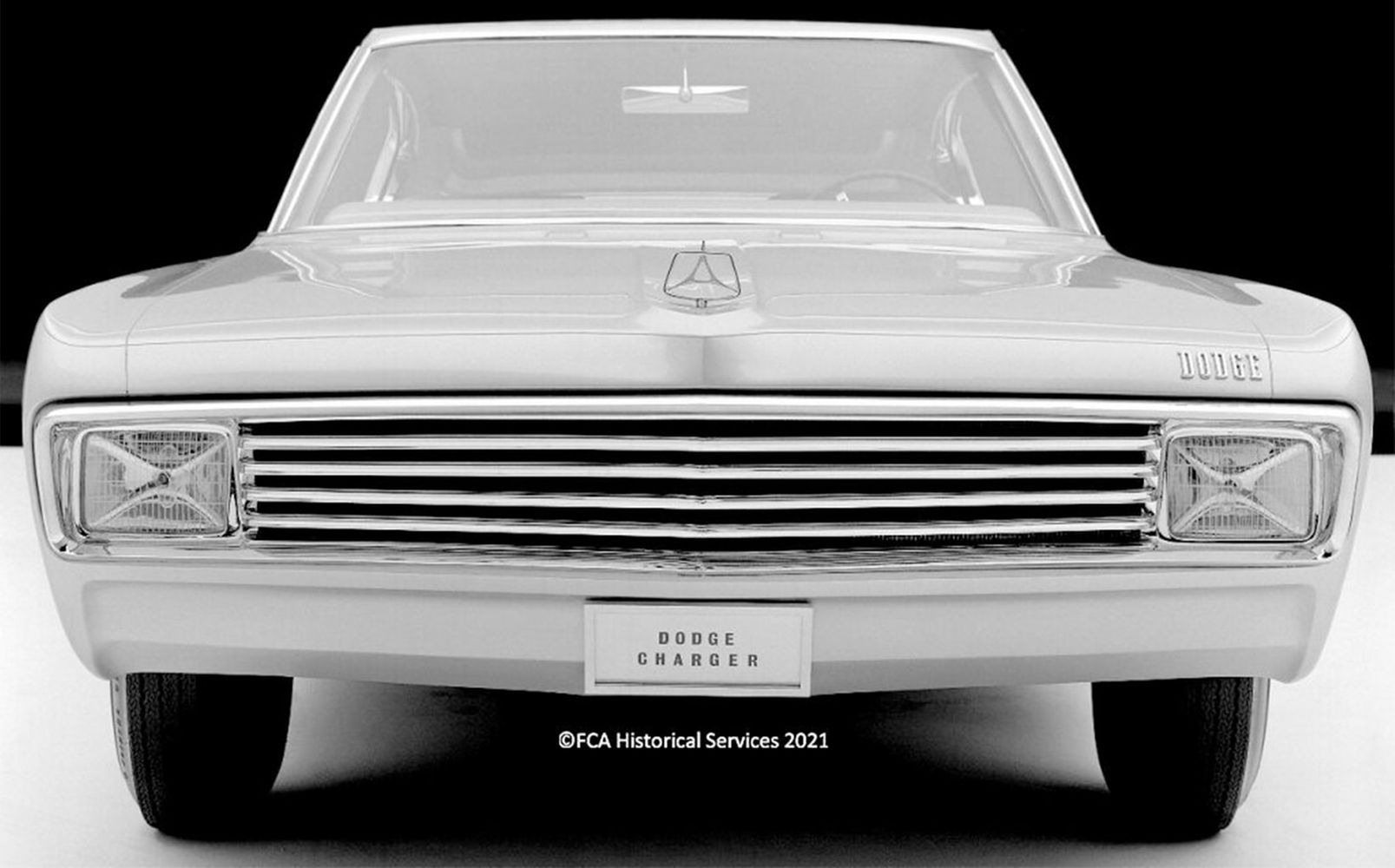
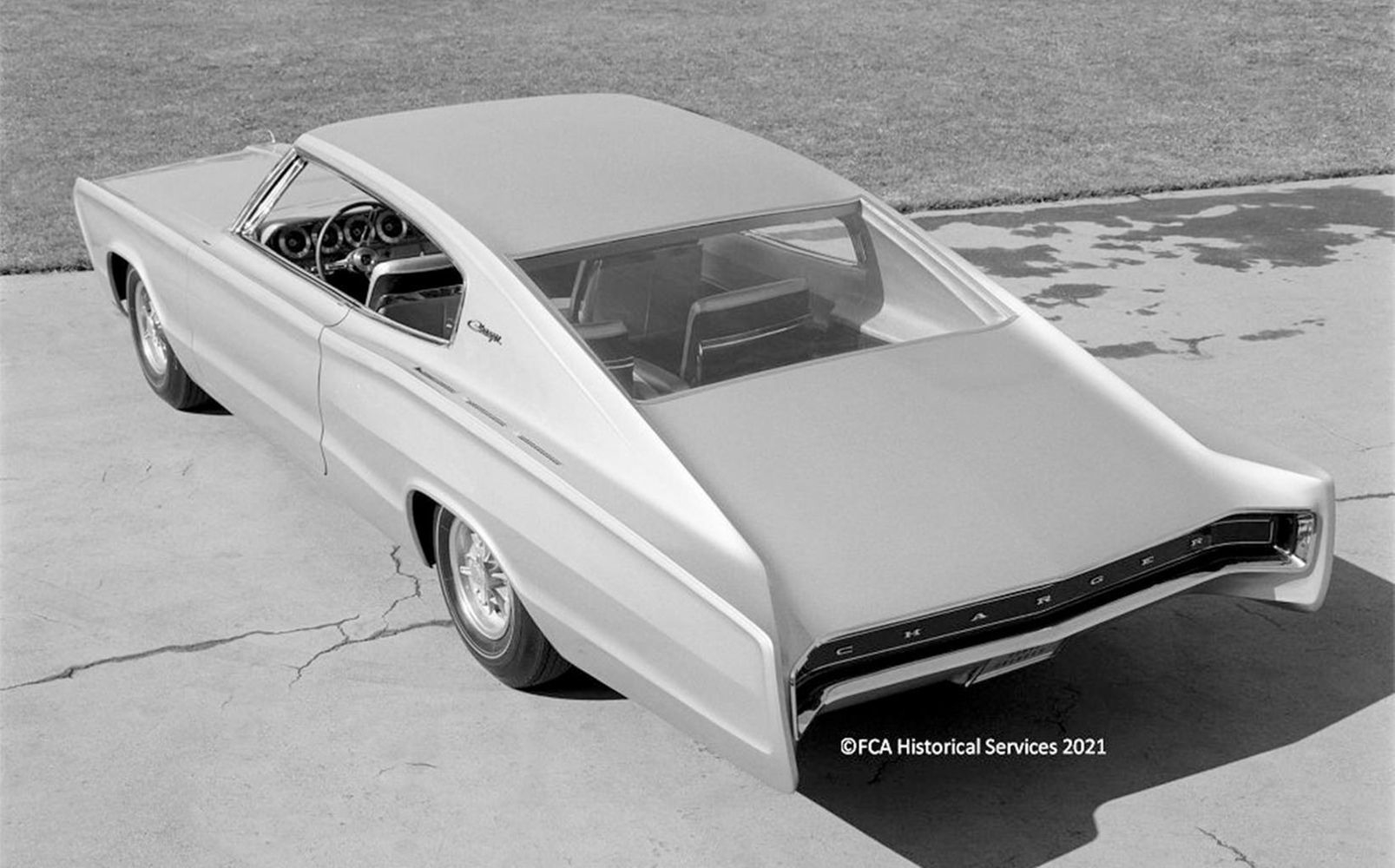
Using an already-approved production car as the basis proved to be a very smart decision. It created the impression that the street Charger was a natural evolution of the concept. Ford used a similar tactic with the Mustang II concept shown in October 1963, several months before the production Mustang debuted in April 1964.
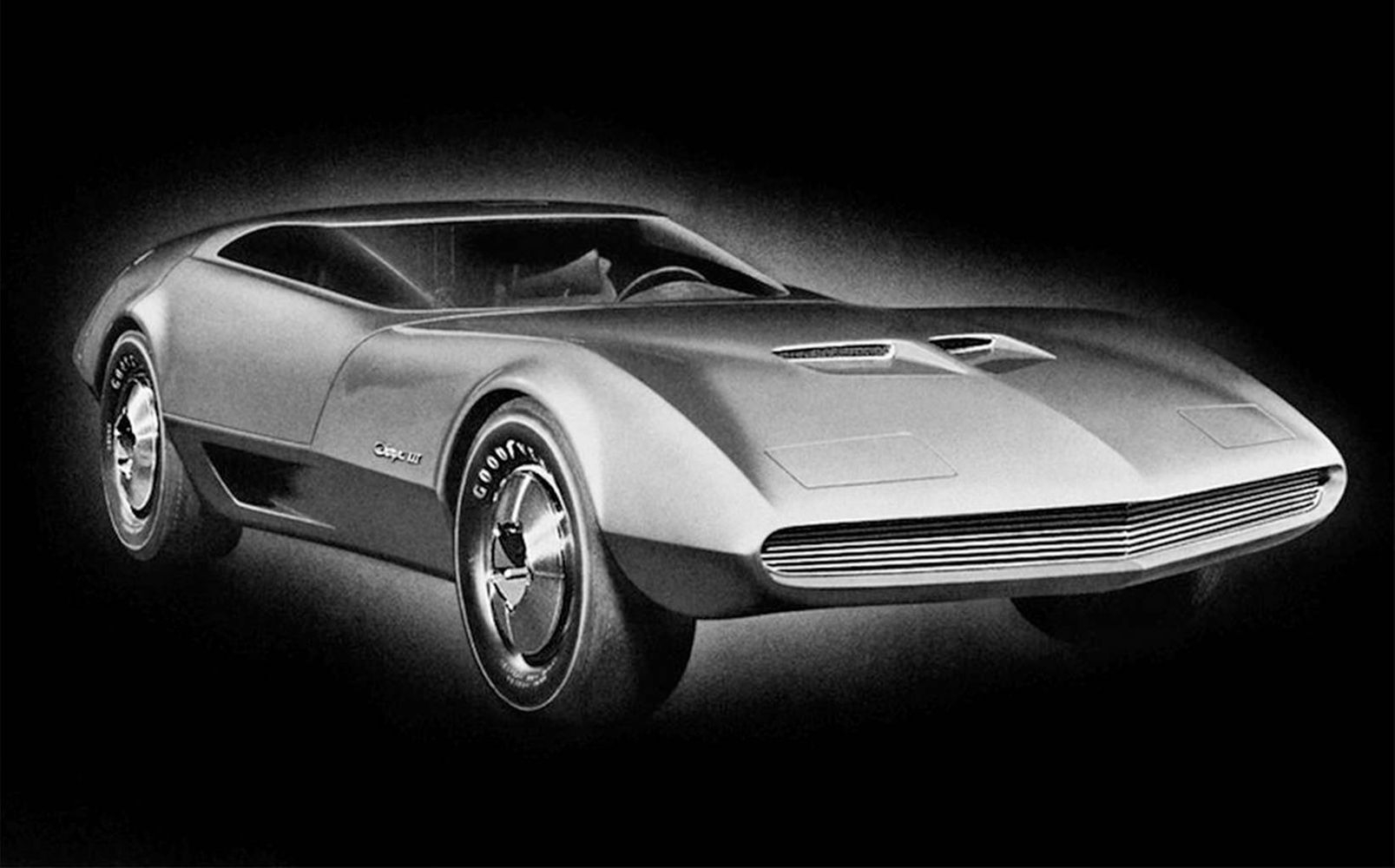
Work on the Charger III began in 1967 and marked a complete break from the previous concepts. For Elwood Engel, this car was more than just a show car — it was a demonstration of Chrysler’s new design direction for the next decade, the so-called “fuselage” style.
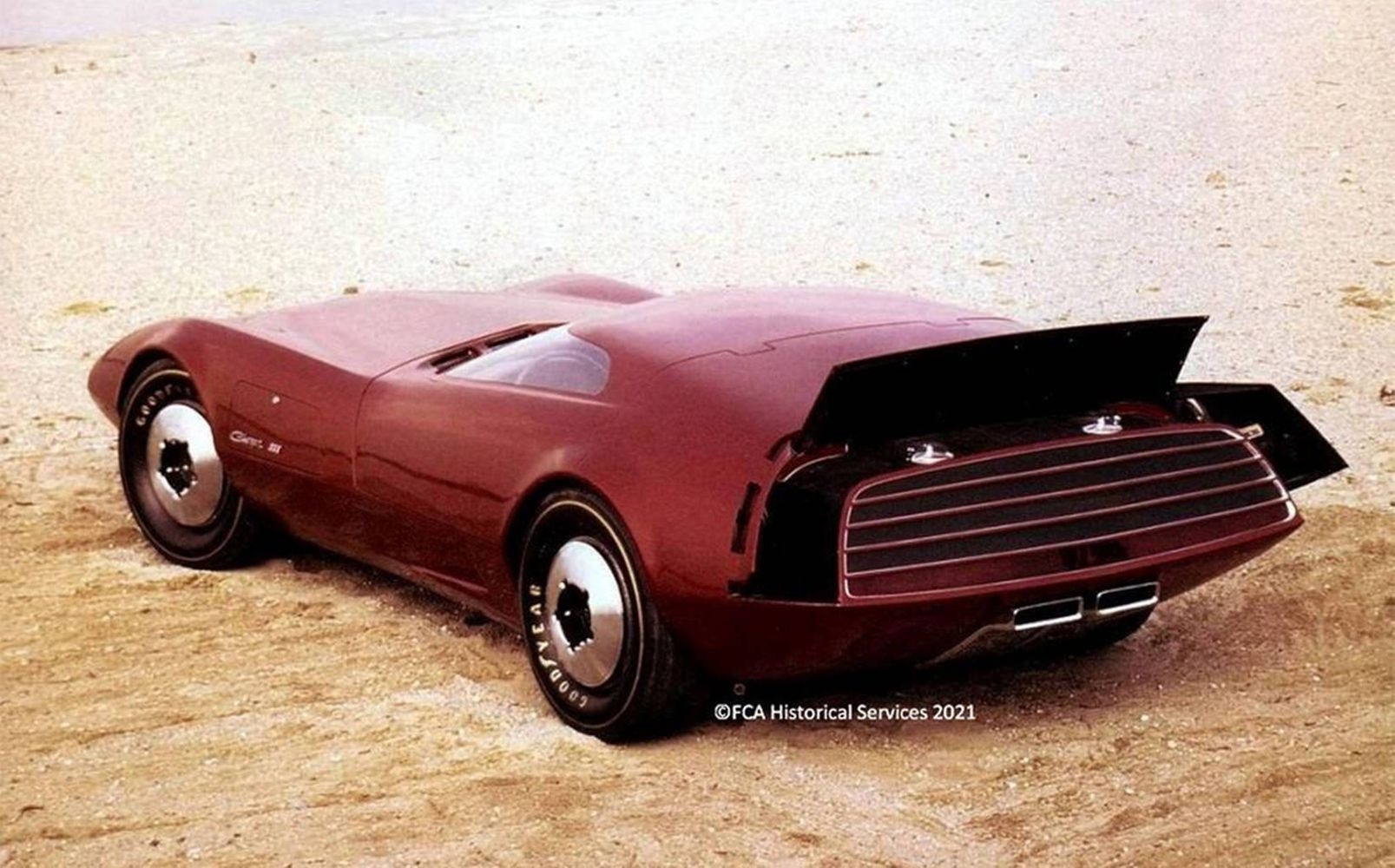
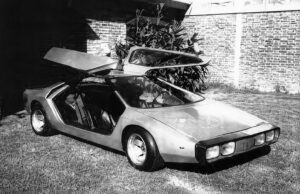
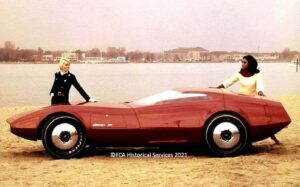
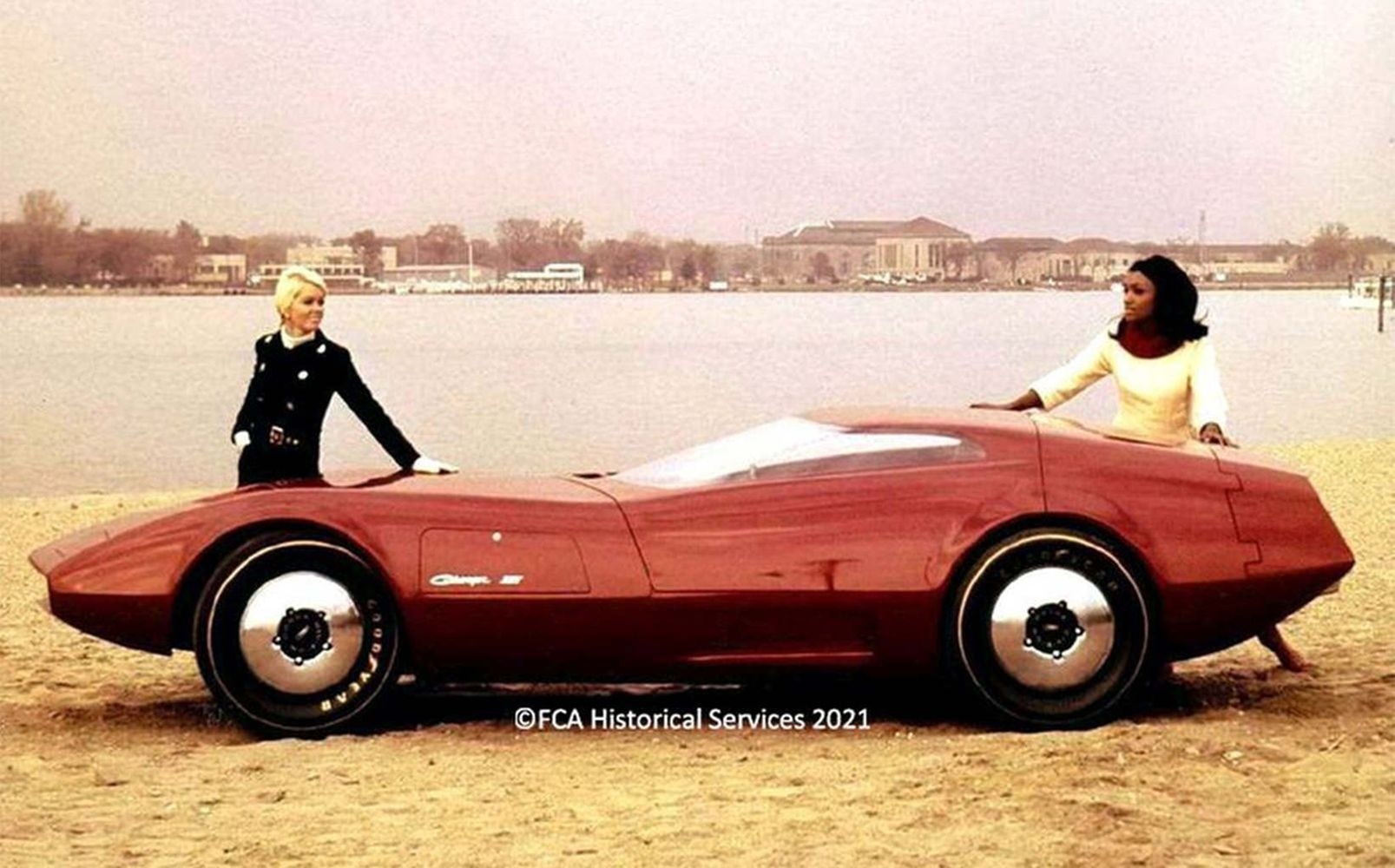
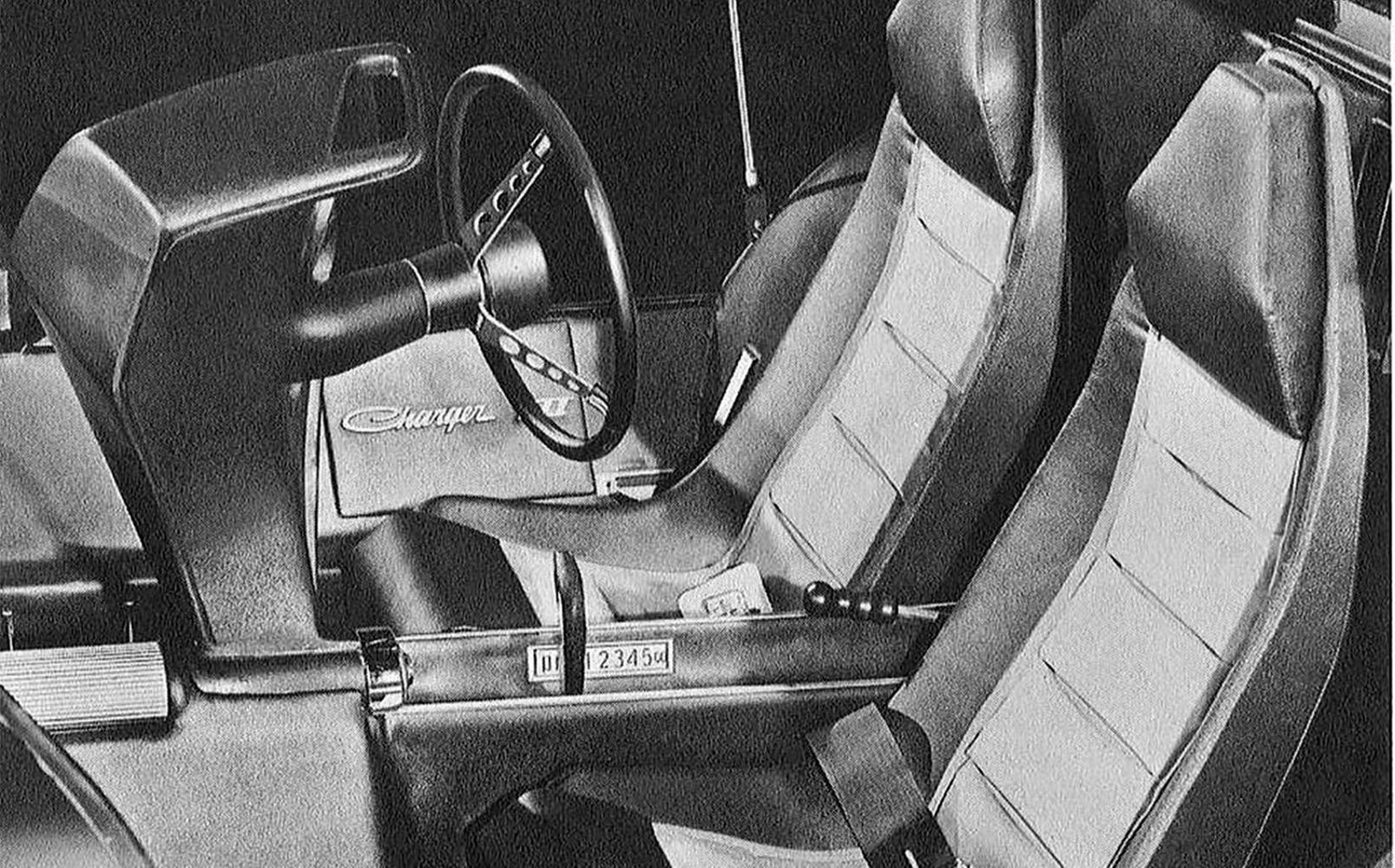
Resembling a 1968 Corvette, the Charger III was a broad-shouldered two-seat sports car, although it was actually just a static display model without an engine. It had a 100-inch wheelbase and stood just 42 inches tall.
In addition to its extremely aerodynamic body, the concept featured a rear air brake and a periscope-style rear-view mirror. The canopy-style cockpit roof lifted upward and backward. The steering wheel, steering column, dashboard, and seats rose with it, making entry and exit easier. Once the driver and passenger were seated, the entire assembly returned to its operating position.
Very few color photographs of the Charger III survive. The air brake was more of a dramatic styling element than a truly functional device.
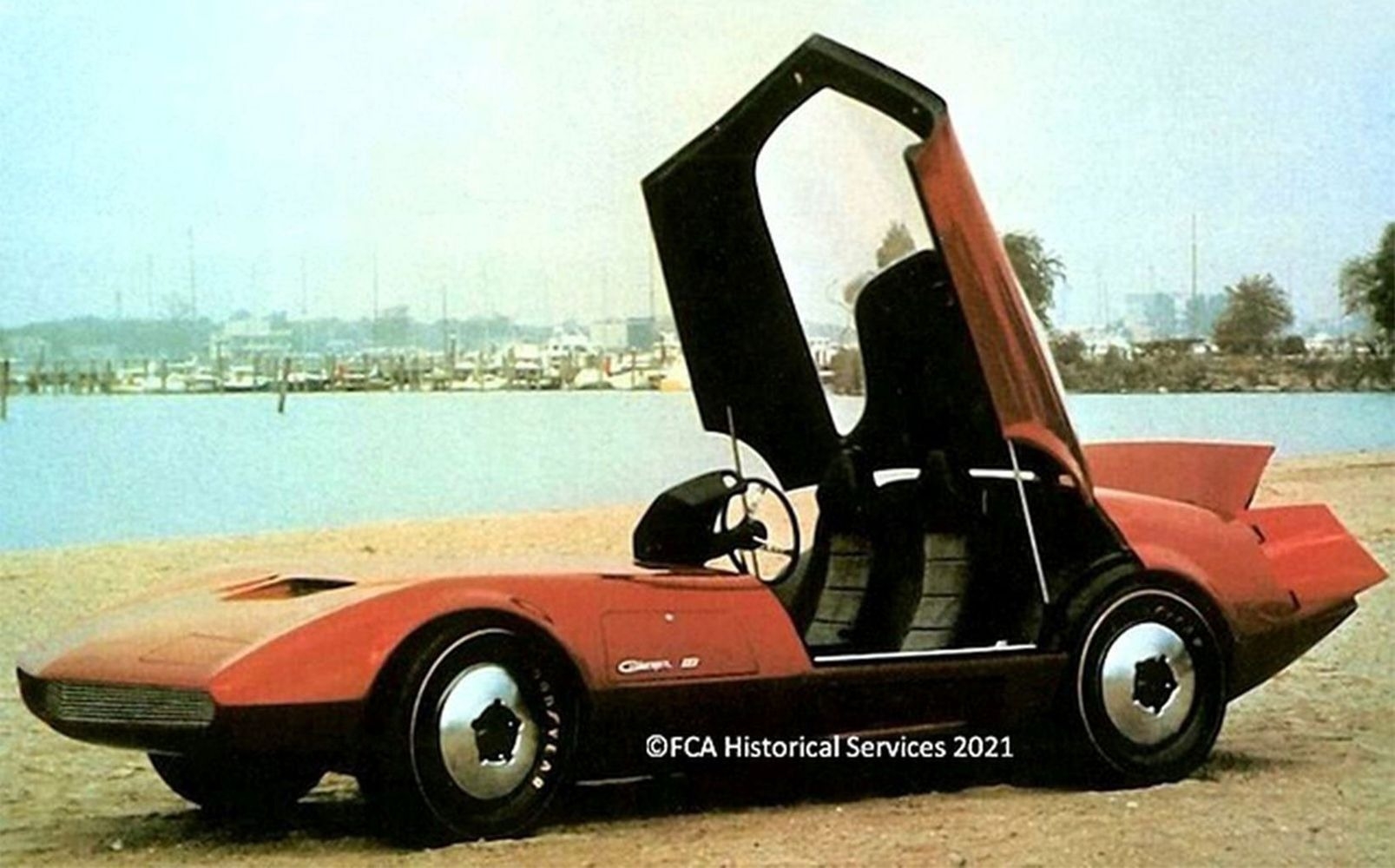
The overall design language of the Charger III — smooth flanks, recessed glass, and crisp lines — would later form the basis for many Chrysler models introduced from 1969 onward.
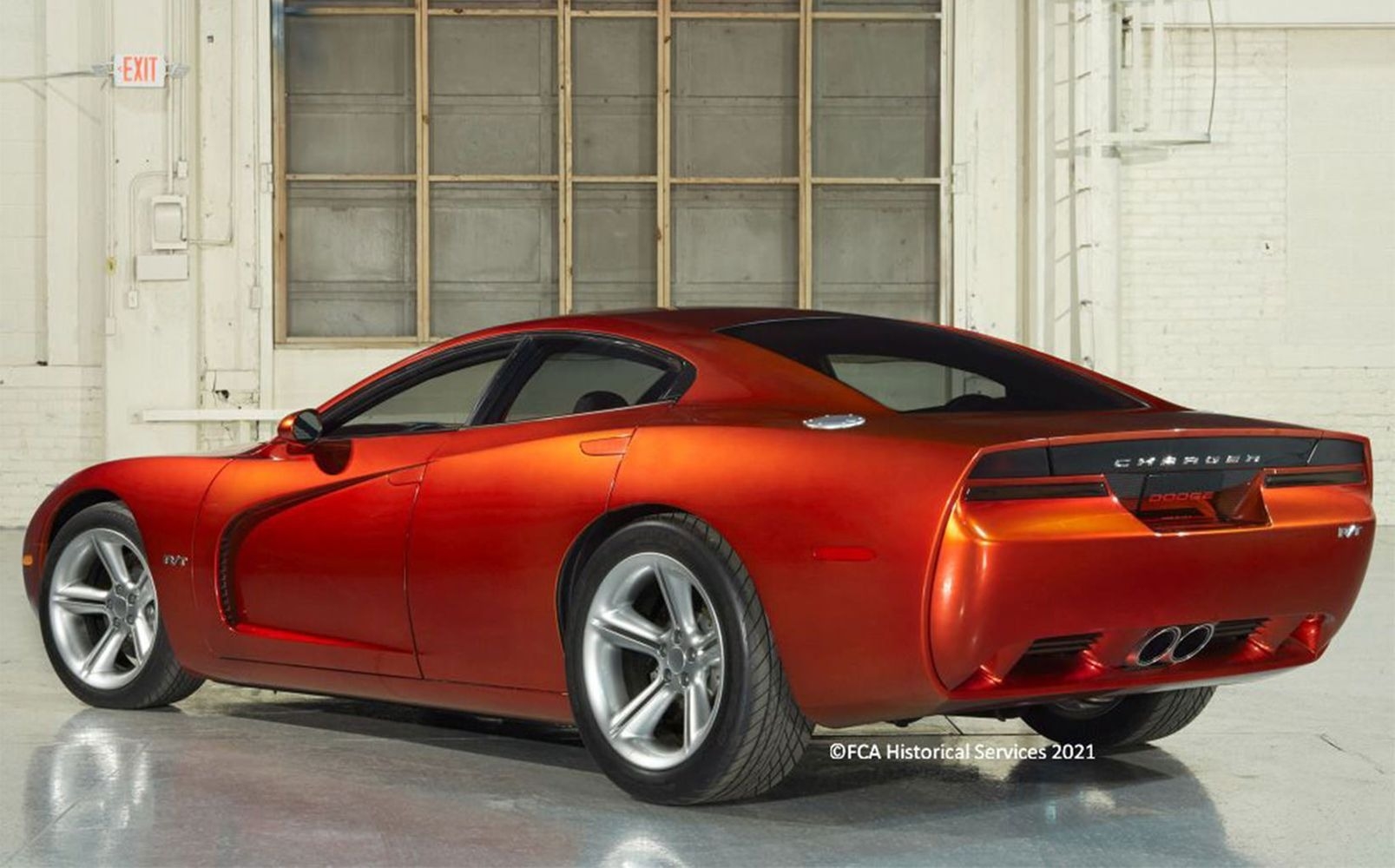
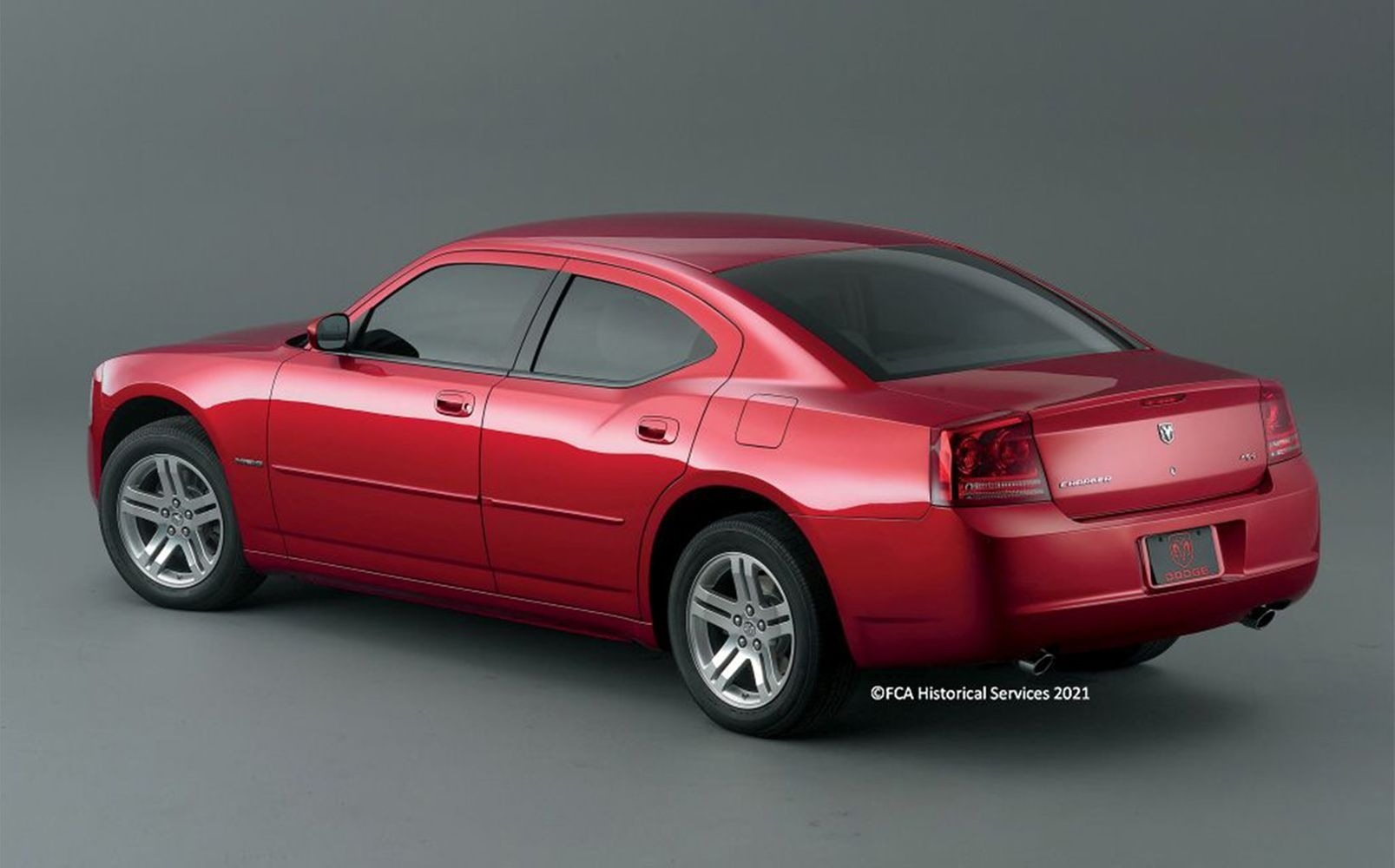
Some elements of the concept clearly anticipated the design of the 1971 Plymouth Satellite and Dodge Charger, particularly the smooth rear roof pillars. Traces of the Charger III’s powerful, muscular silhouette can also be seen in the 1999 Dodge Charger R/T concept and the production 2006 Charger.
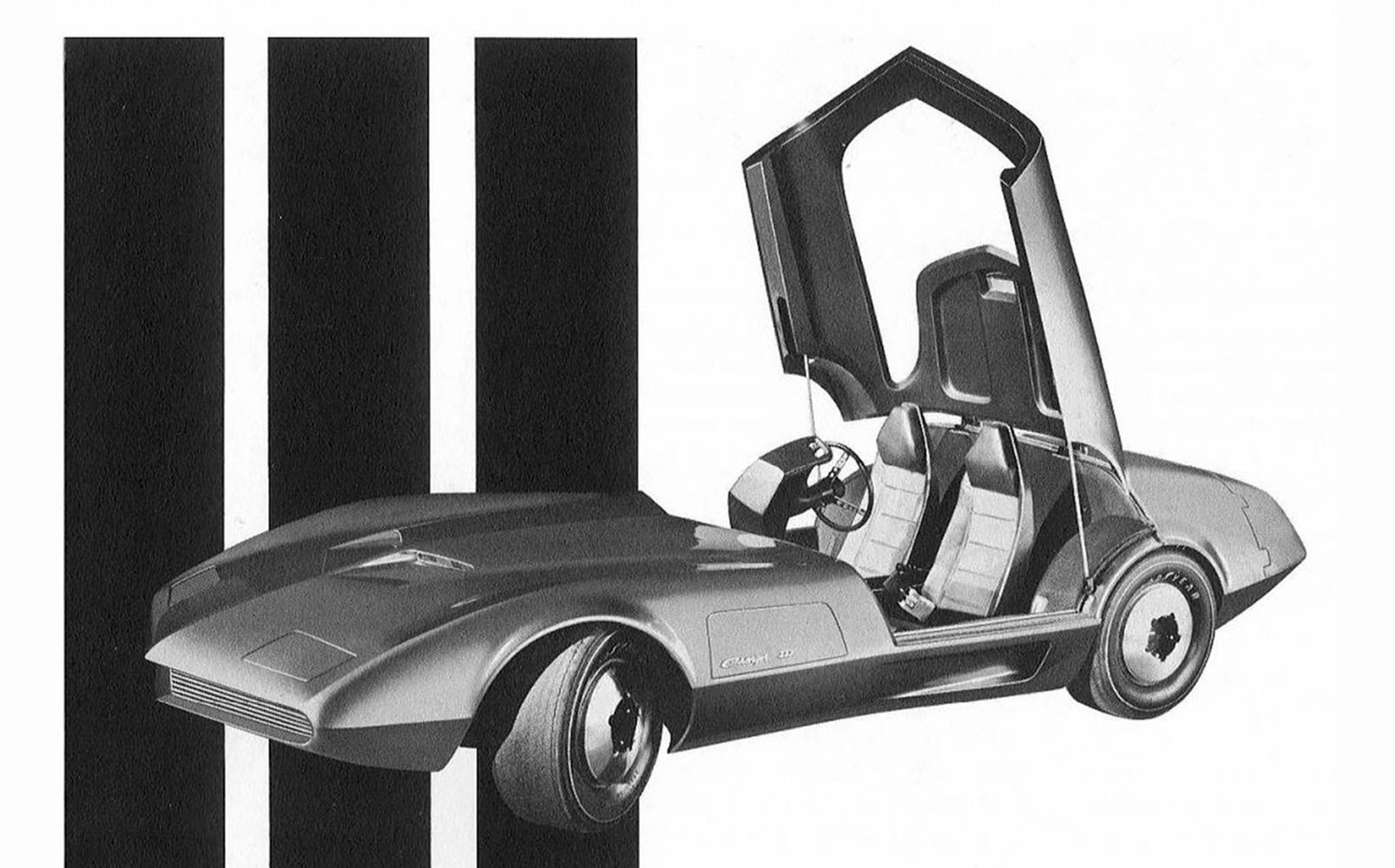
As for the idea of a two-seat sports car to take on the Corvette, Chrysler only managed to realize it in 1990 with the arrival of the Dodge Viper.
The Charger I still exists today. After its auto show and dealer appearances, the car passed from one Chrysler dealer to another until 1989, when it was purchased by renowned concept car collector Joe Bortz. He performed a complete restoration. The car has since appeared at several auctions, where it has commanded prices exceeding one million dollars.
The fate of the Charger II and Charger III remains unknown. They were most likely destroyed, as was often the case with concept cars that would today be considered priceless pieces of automotive heritage.