AC Cars calls itself Britain’s oldest continuously operating car manufacturer. Given that the company is celebrating its 125th anniversary this year, it’s hard to argue with that claim.
For more than half its history, AC has been building Cobras and their various interpretations, yet only now has the legendary sports car received a proper fixed-roof version.
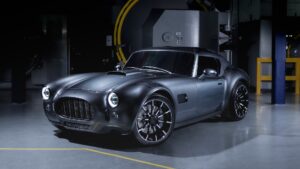
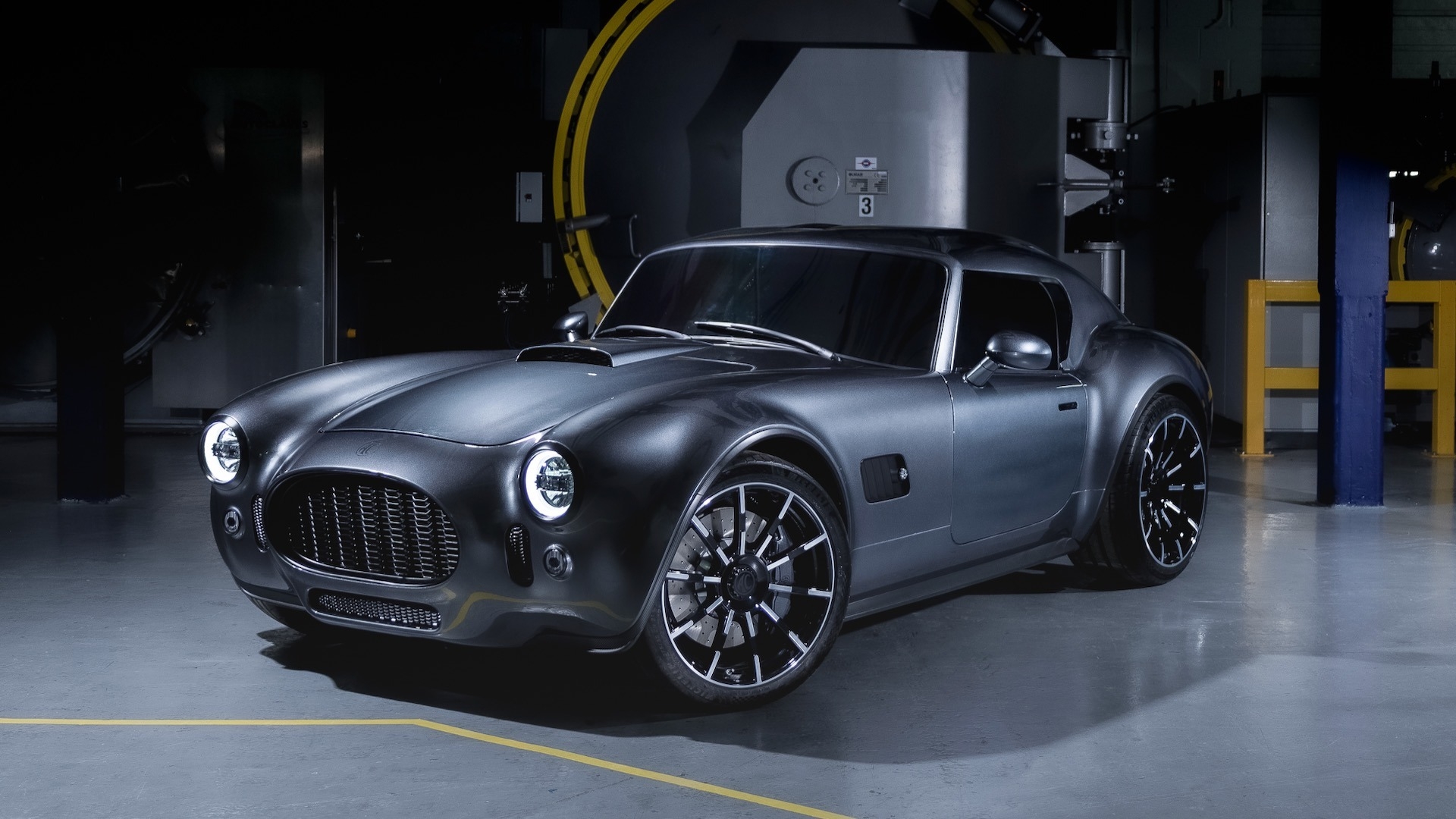
The new AC Cobra GT Coupe is something of a birthday present from the company to itself. Unveiled in 2024, the car is based on the AC Cobra GT Roadster, which is the modern interpretation of the classic Cobra formula.
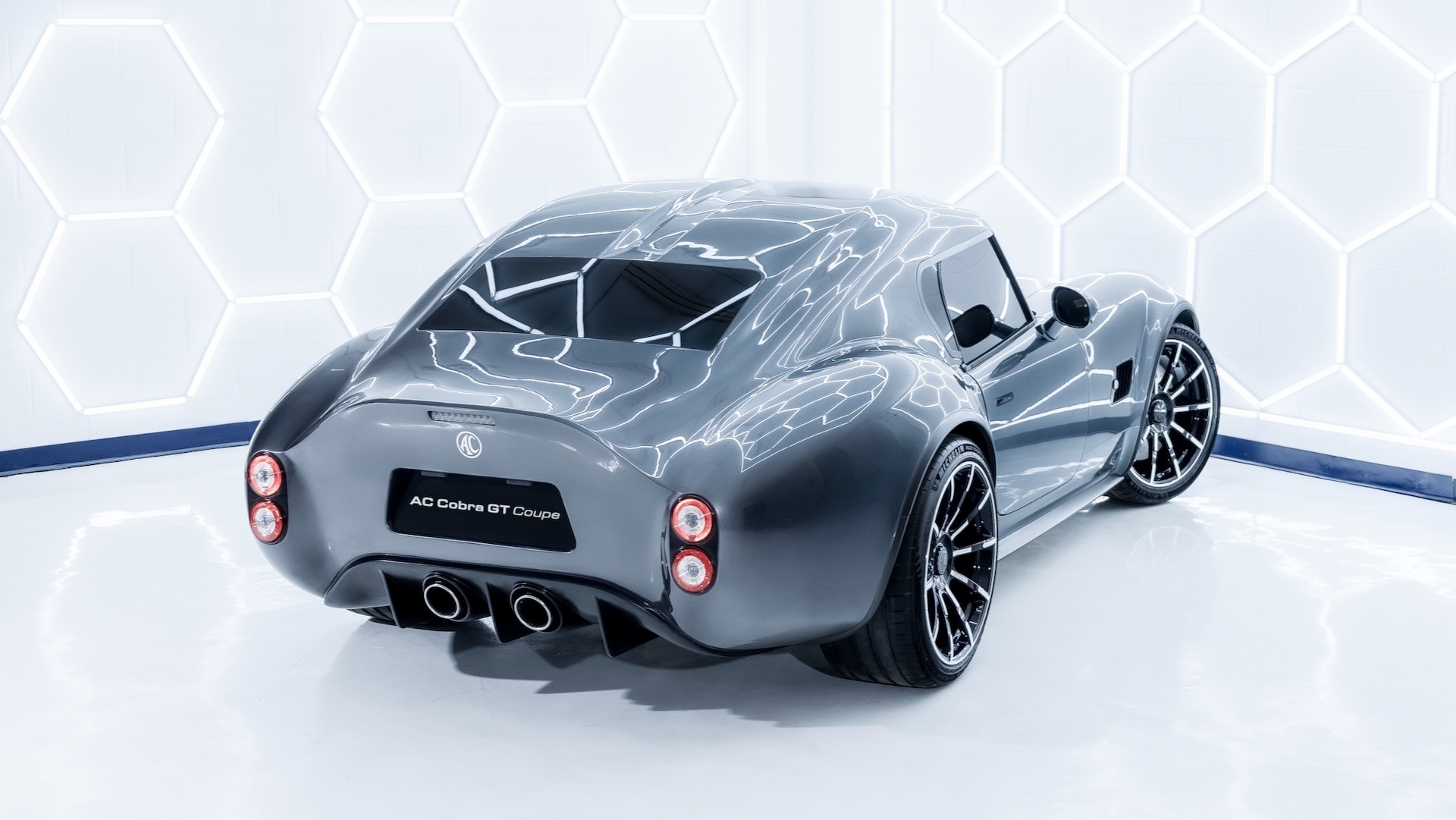
This is the first true Cobra coupe built by AC Cars itself, although the company previously offered removable hardtops and even constructed one experimental car with a completely redesigned body.
That car was chassis A98, built in 1964 to compete in the 24 Hours of Le Mans. Despite high expectations, the car failed to deliver a competitive result due to technical issues.
Nevertheless, during testing on the British M1 motorway it reportedly reached 183 mph (295 km/h). Legend has it that this very run was one of the reasons for the introduction of the 70 mph (113 km/h) speed limit in Britain the following year.
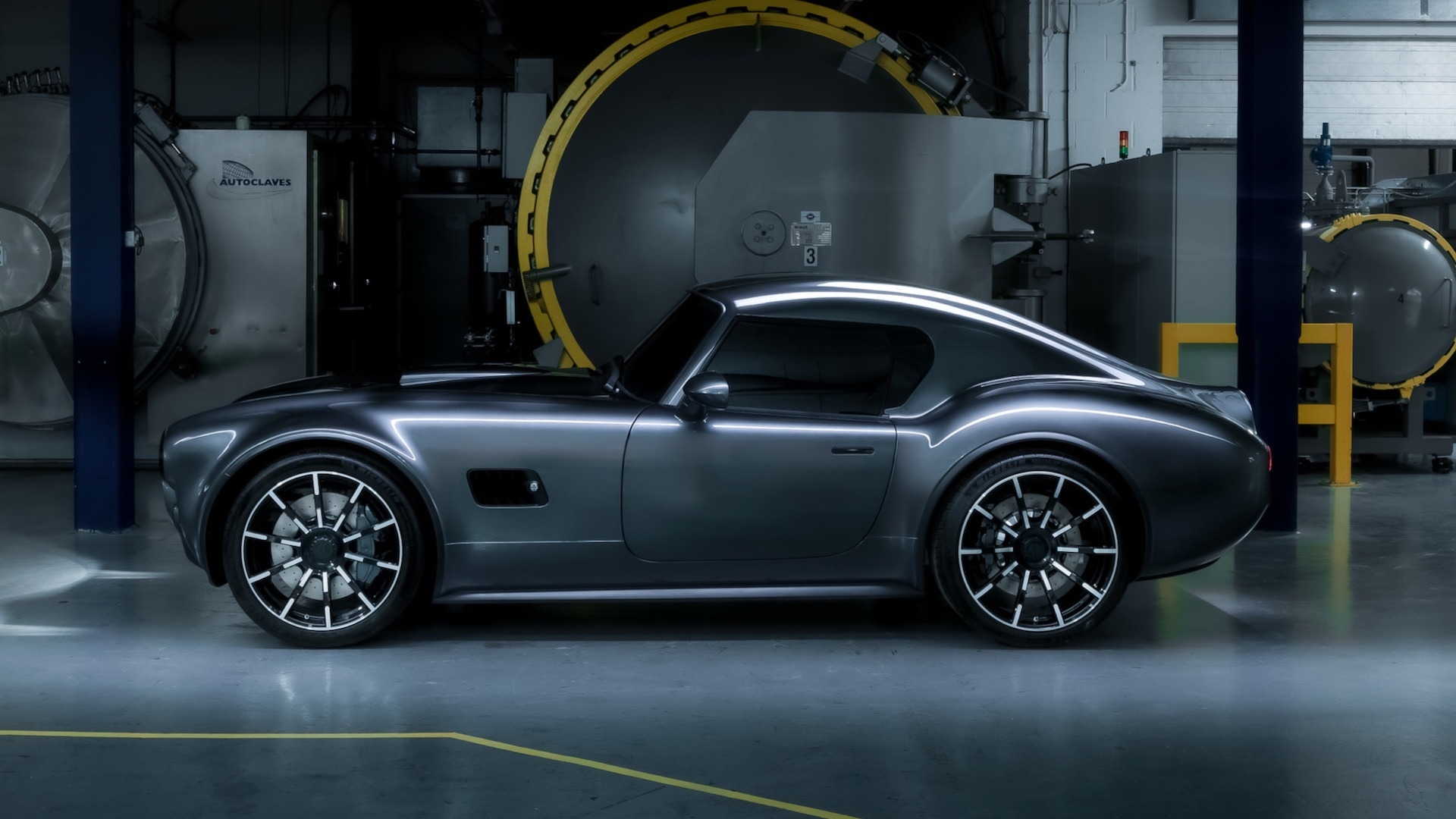
Like the famous Shelby Cobra Daytona Coupe, the A98 bore little visual resemblance to a regular Cobra. However, the new Cobra GT Coupe features a much more traditional design.
While AC Cars cites the A98 as a source of inspiration, the newcomer looks more like a standard Cobra with a fixed roof grafted on. The result is a slightly unusual car — it’s clear it started life as a roadster — yet it cannot be mistaken for anything else.
Its proportions differ from the original Cobra. The coupe is built on the same aluminum spaceframe developed in-house as the GT Roadster, whose production began in 2023. The increased dimensions have allowed for a more spacious interior.
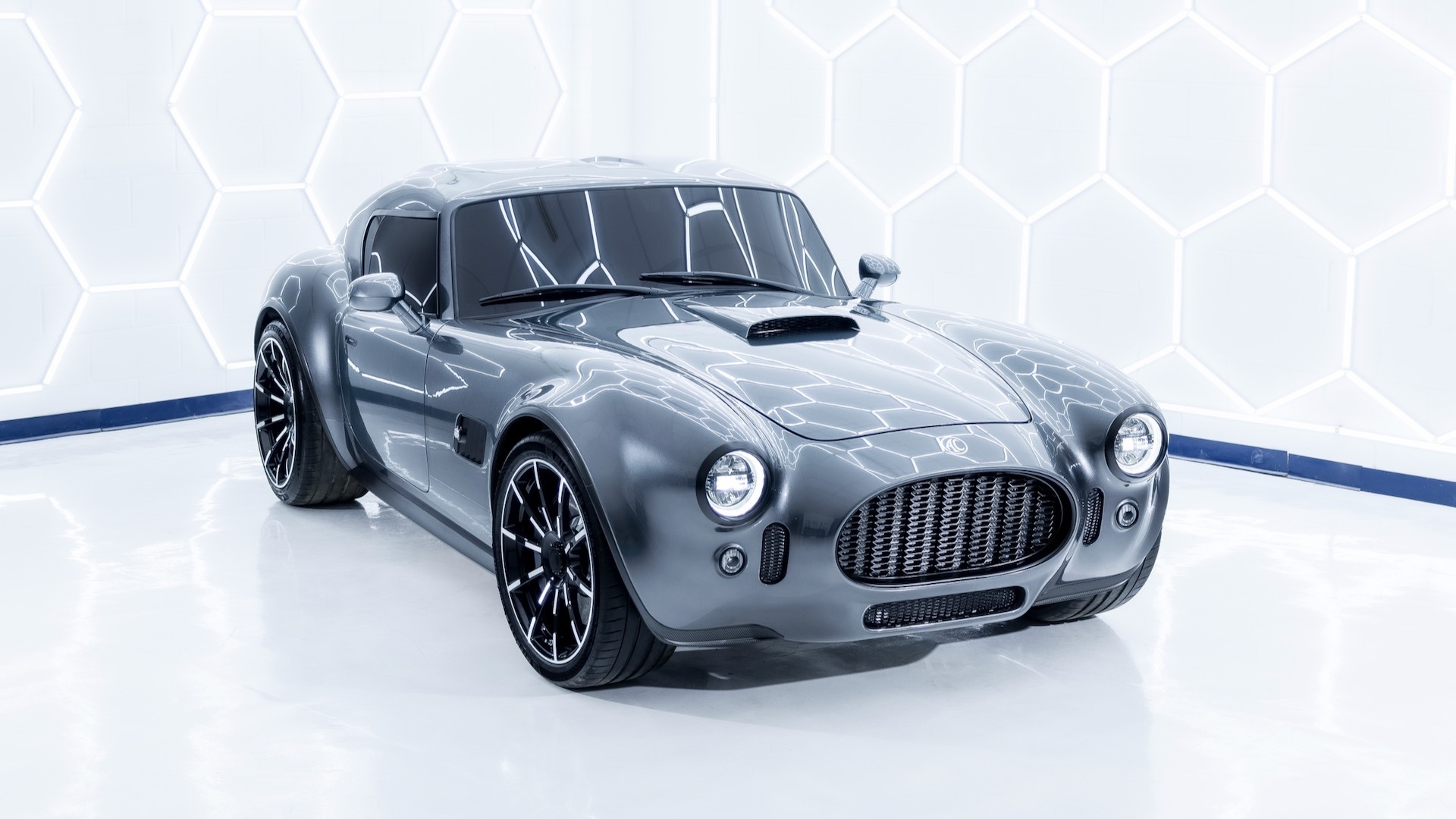
The car measures 166.3 inches (4224 mm) in length, 77.9 inches (1979 mm) in width, and has a wheelbase of 101.1 inches (2568 mm). For context, a Mazda MX-5 Miata ND would fit comfortably inside those dimensions. The Cobra, however, has considerably more power.
As befits a true Cobra, a Ford V8 sits under the hood. In this case it’s a naturally aspirated 5.0-liter Coyote paired with either a six-speed manual or a ten-speed automatic transmission. The base version produces 450 horsepower and 410 lb-ft (556 Nm) of torque.
For those who want more, a supercharged version is available. Output rises to 720 horsepower and 605 lb-ft (820 Nm) of torque. According to the manufacturer, this variant accelerates from 0 to 60 mph in under 3.5 seconds.
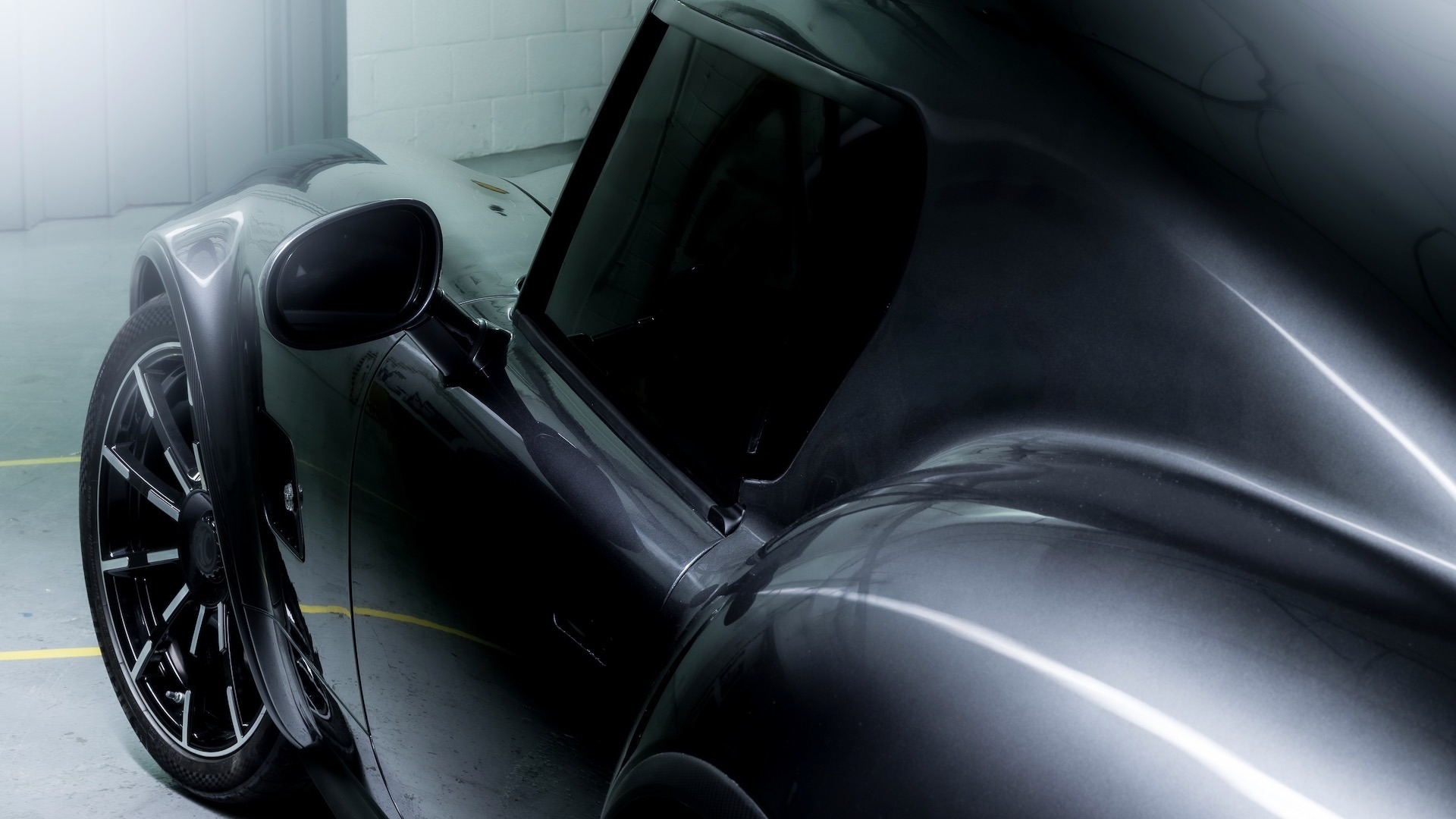
The curb weight is 3,527 pounds (1,600 kg). That’s a respectable figure, although slightly higher than one might expect for a two-seat sports car with an aluminum chassis and carbon-fiber bodywork.
Pricing for the naturally aspirated version starts at $299,500, while the supercharged model begins at $327,800. This is slightly higher than the company promised a year ago, but still significantly less expensive than an original classic Cobra.
Interestingly, production will take place at the former Saab Automobile factory in Sweden, where one automotive legend is helping to keep another alive.