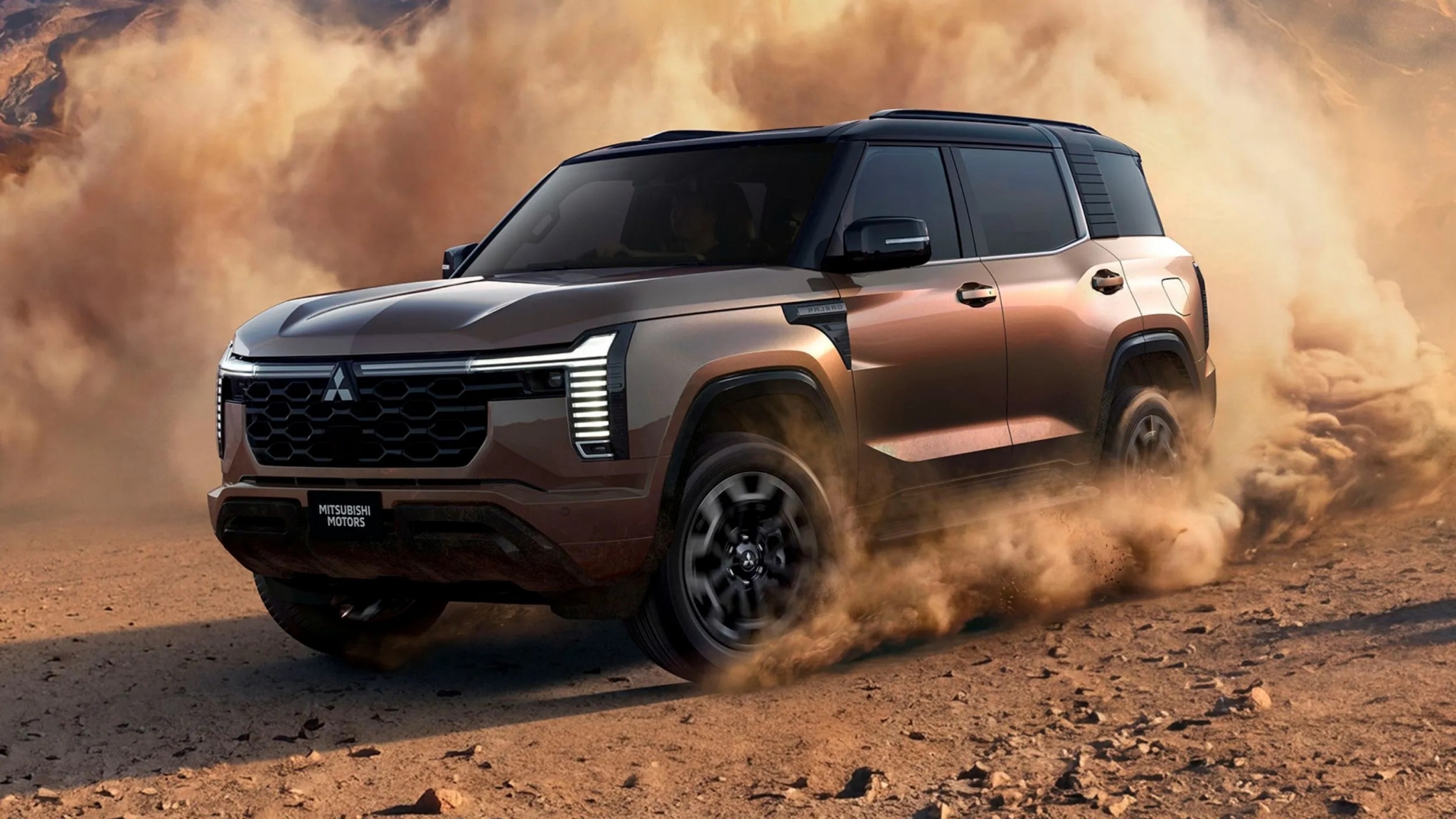
After several years of absence from the lineup, Mitsubishi has introduced an all-new generation of the Pajero, reviving one of the few off-road nameplates with a genuine rally heritage. The company is positioning the newcomer as a global flagship and a true off-road SUV, which in practice means a body-on-frame chassis, modern electronics, and a more premium interior than ever before.
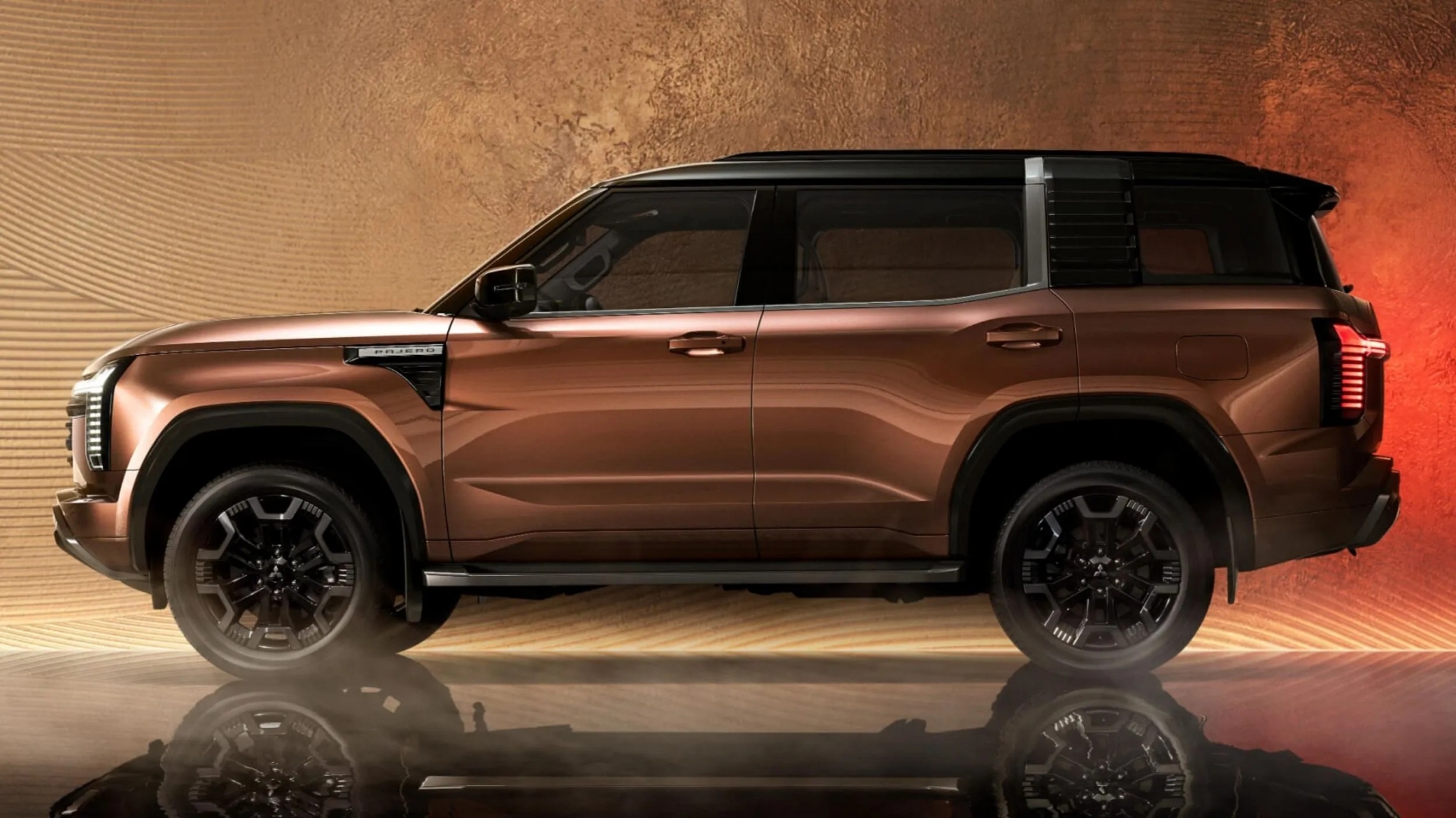
The new Pajero measures 193.7 inches in length, placing it in the same class as the Toyota Land Cruiser. The body features upright side panels, T-shaped LED headlights, massive protective cladding, angular wheel arches, side gills bearing the Pajero script, textured rear roof pillars, and a sculpted tailgate.
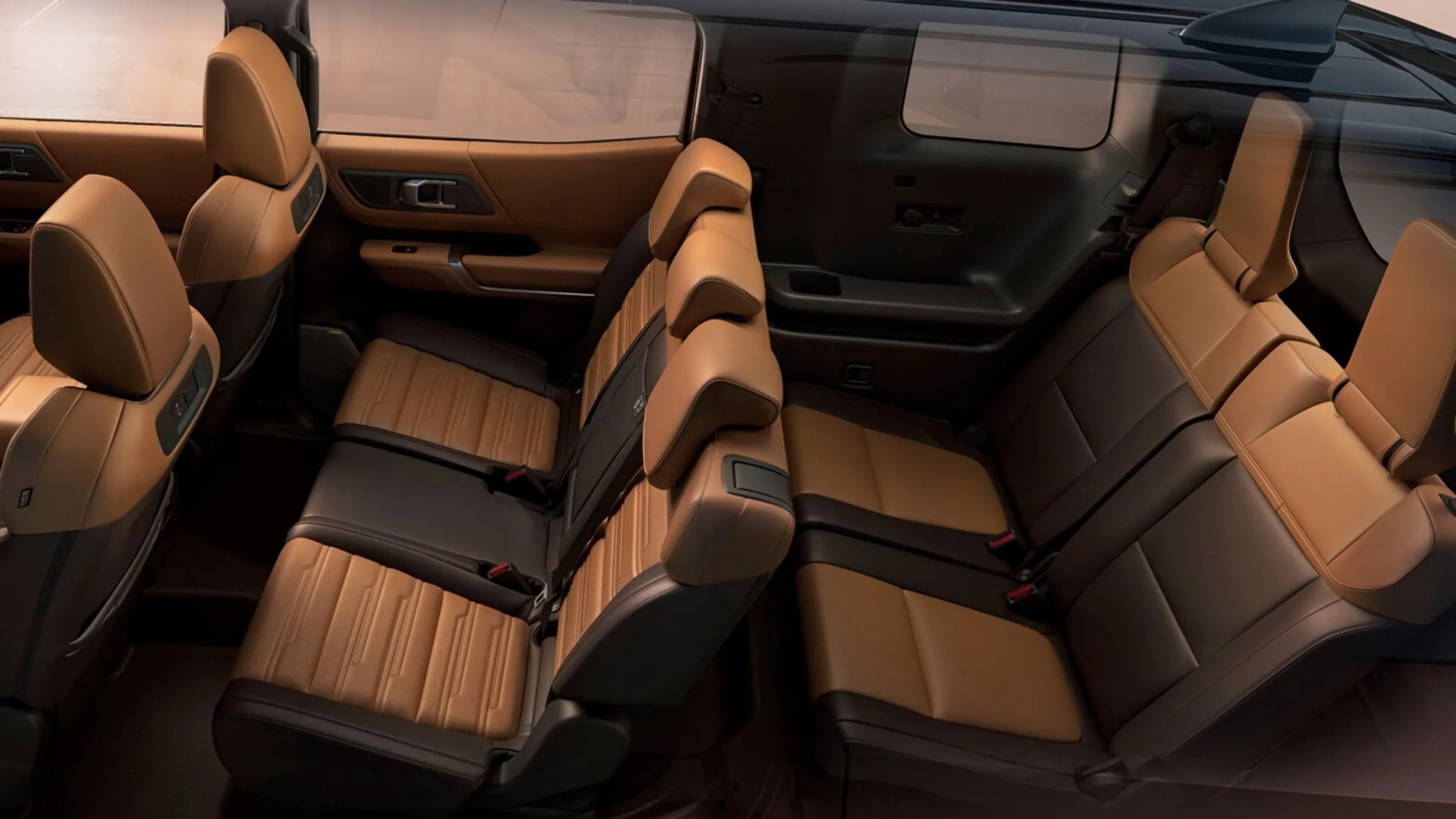
The cabin offers three rows and seven seats, made possible by a 113-inch wheelbase. Mitsubishi has opted for a more upscale interior, employing premium trim materials. Optional leather upholstery with black accents and decorative stitching is also available.
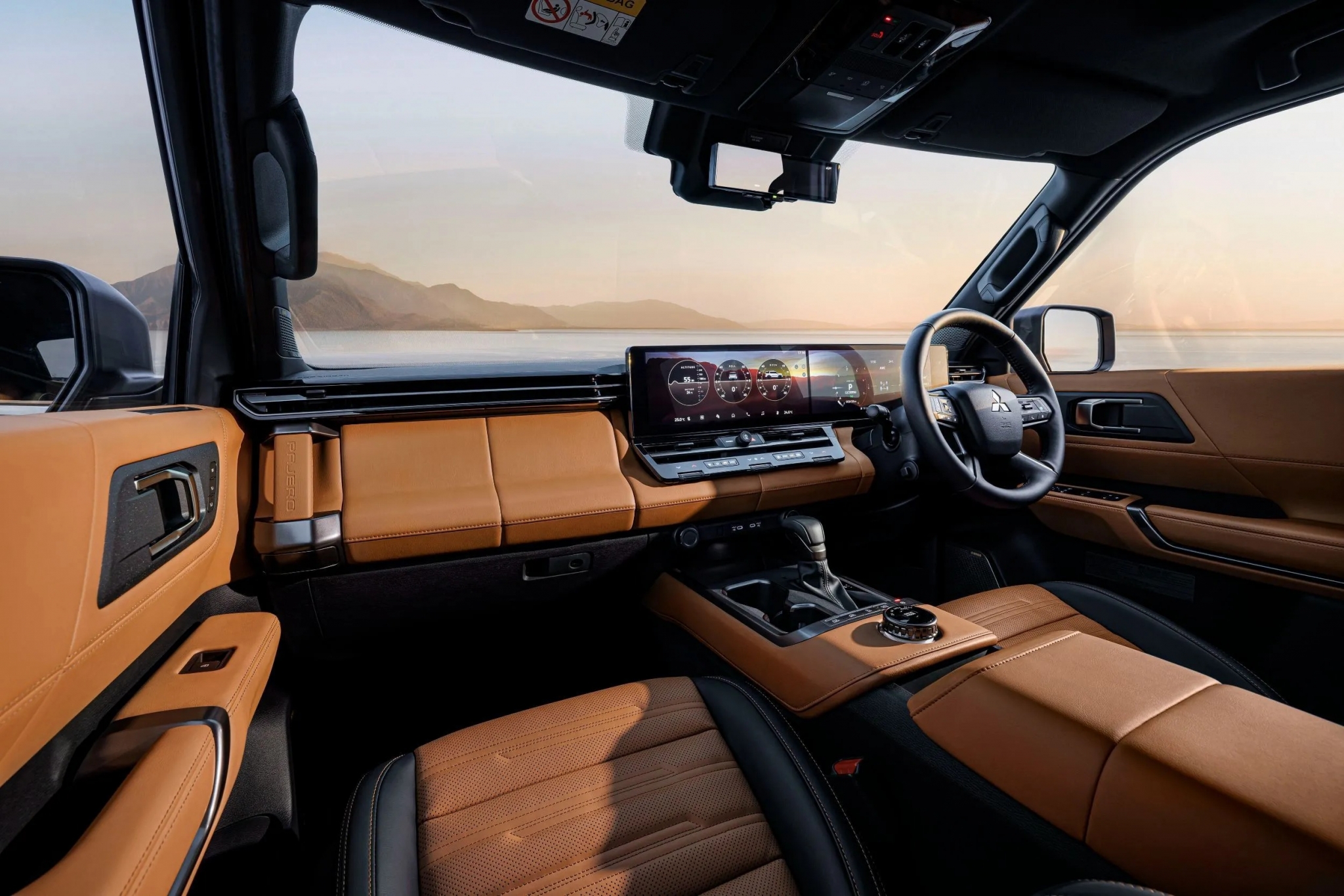
The centerpiece of the infotainment system is a pair of 14.3-inch displays joined into a single panel. Lower trims receive 12.3-inch screens.
There are 16 interface themes available, while the digital Multi Meter is styled after the triple analog gauges of previous Pajero generations. It displays off-road telemetry including altitude, compass heading, temperature, pitch and roll angles, and other parameters.
Special attention was paid to noise insulation: acoustic glass and other measures are used so that, according to Mitsubishi, occupants can hold a normal conversation even at high speeds and in other “high-noise conditions.” The audio system is provided by Yamaha and features 12 speakers, two amplifiers, and active noise cancellation.
Safety is handled by eight airbags, the MI-PILOT suite of driver assists, and a 3D Multi Around Monitor surround-view system with a virtual underbody camera that creates a see-through view beneath the vehicle.
The Pajero is built on the body-on-frame chassis from the Triton pickup, but the suspension was developed specifically for the Pajero and tuned for a higher level of comfort. Up front is an independent double-wishbone setup, while the rear uses a solid axle located by five links. When calibrating the chassis, engineers also drew on Mitsubishi’s experience from its Dakar Rally programs.
Ground clearance is 9.1 inches. Approach angle is 30.4°, breakover angle is 22.6°, and departure angle is 25.8°, which should give the Pajero serious off-road capability.
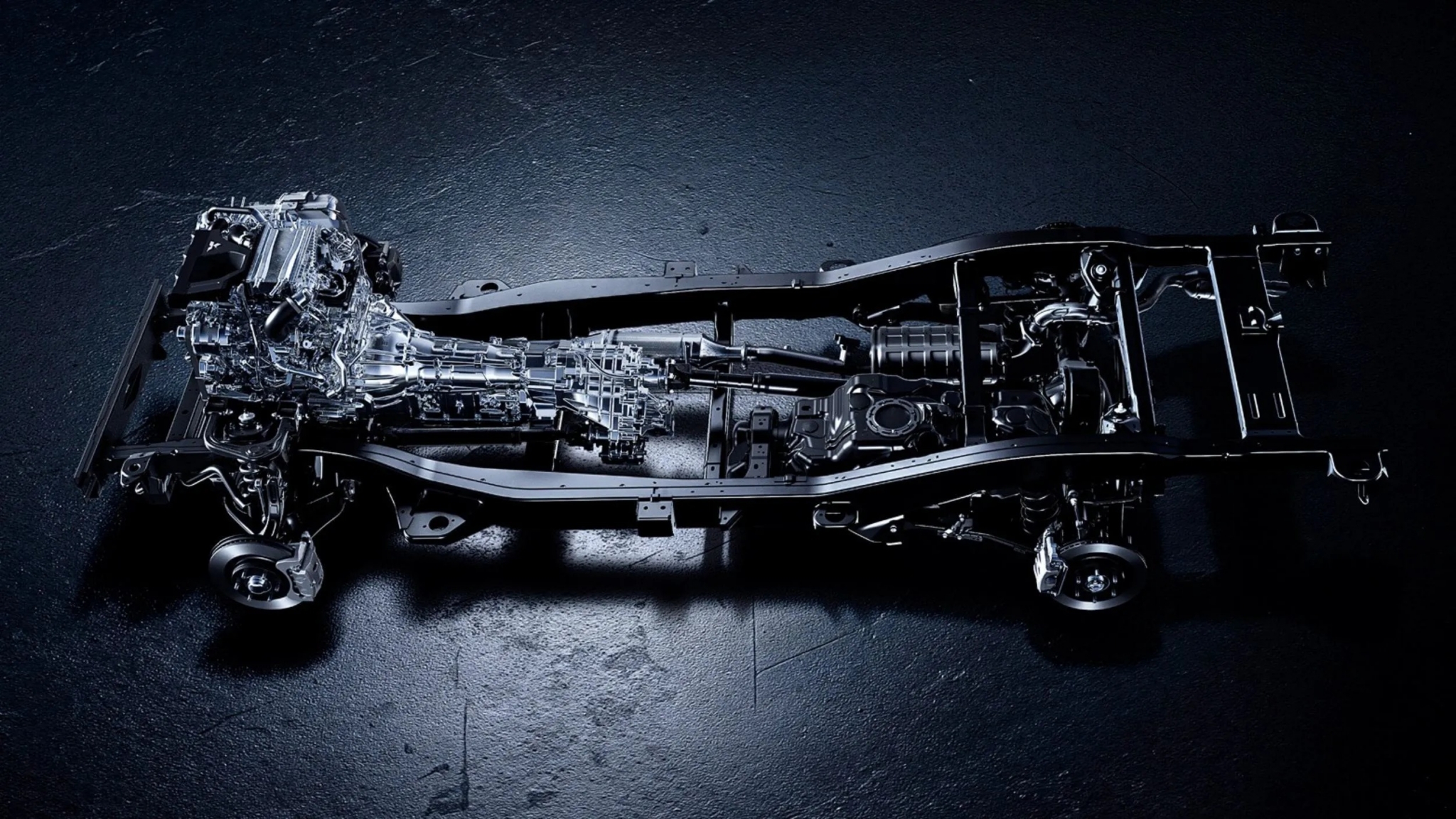
Under the hood sits a 2.4-liter single-turbo diesel with variable geometry. The engine produces 201 horsepower and 354 lb-ft of torque (or 347 lb-ft in some versions). Mitsubishi has not yet revealed other powertrains, though an electrified variant is expected to join the diesel in the future.
Drive is sent to all four wheels through a new eight-speed automatic transmission. All-wheel drive is standard and includes the Super-All Wheel Control (S-AWC) system with active yaw control (AYC) and seven drive modes for different surfaces.
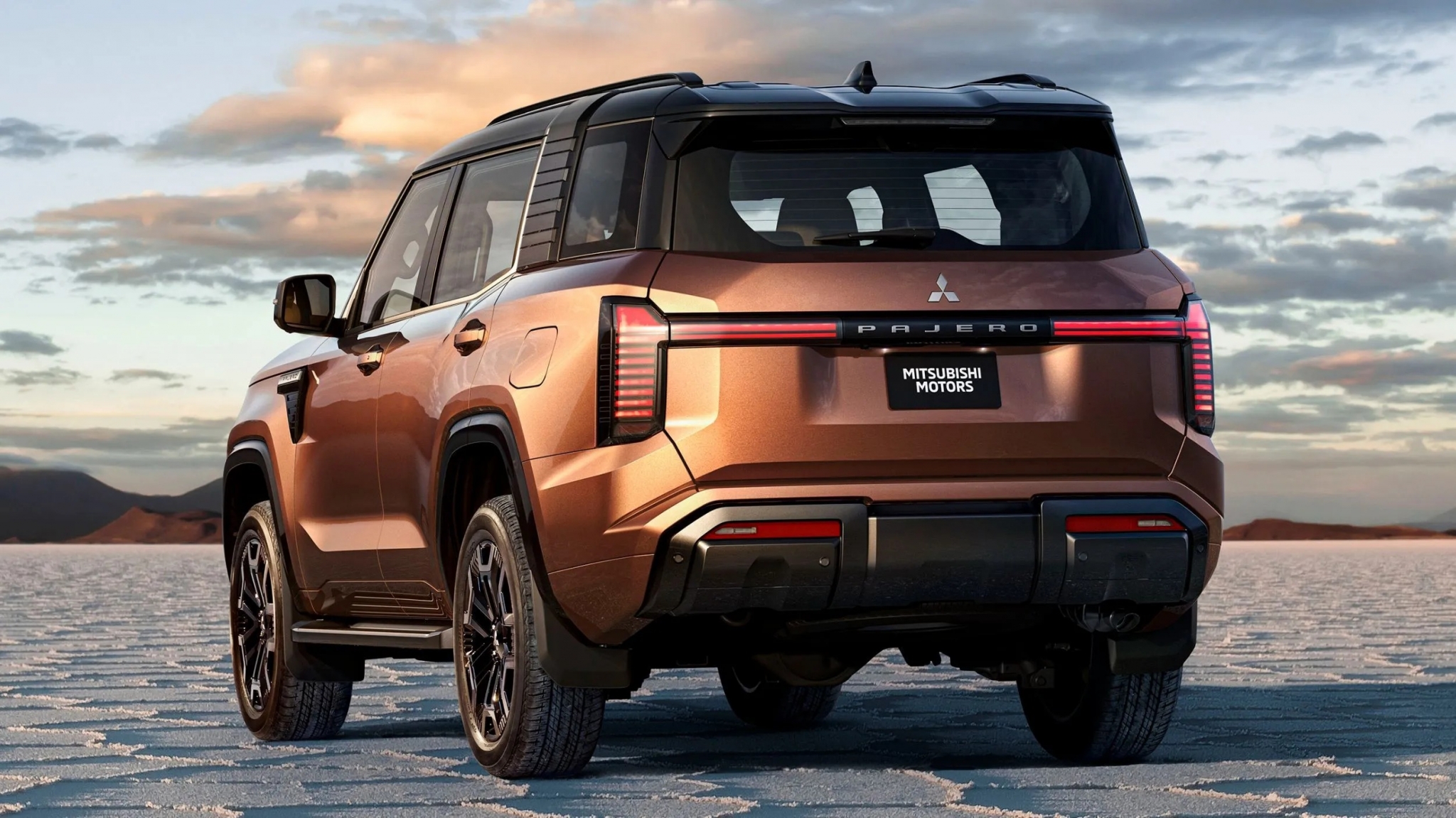
Production of the new Mitsubishi Pajero will take place in Thailand on the same line as the Triton. First sales are scheduled in Thailand, Japan, and Australia by the end of March 2027. The model will then reach approximately 100 additional markets in Southeast Asia, Latin America, and the Middle East.
In certain export markets the Pajero will be sold under the Montero name.
In addition to the flagship off-roader, Mitsubishi plans to use the Pajero name on other models, effectively turning it into a standalone sub-brand. The expanded Pajero family will include a compact kei-class model for Japan and a smaller, more rugged-looking SUV.