In 2003, Lancia was in a difficult situation. Yes, the brand had managed to launch its flagship Thesis sedan two years earlier, but its radical design and attempt to move into a more premium segment failed to resonate with buyers.
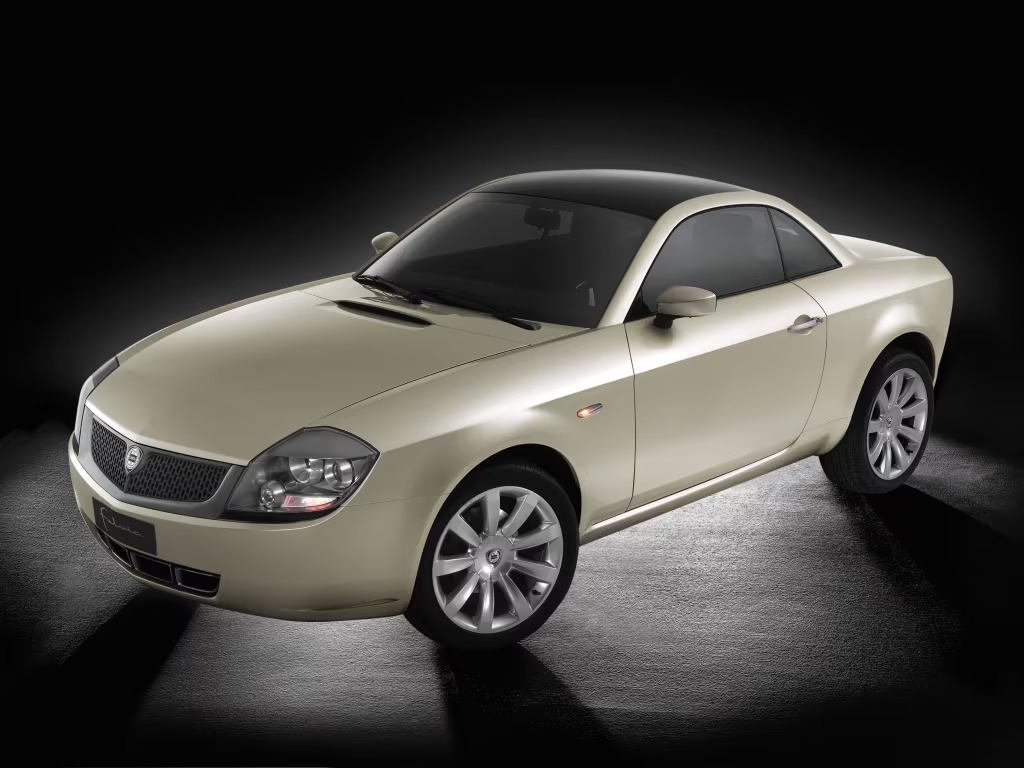
The Ypsilon barely sold outside Italy, the Lybra was rapidly aging and selling poorly, and the Phedra was essentially just a rebadged Fiat Ulysse. It seemed the brand was heading toward its demise, but at the 2003 Frankfurt Motor Show, a ray of hope appeared — a small concept called the Lancia Fulvia.
For any fan of European cars, this name rings very familiar. For those who don’t know, the Fulvia was a true legend. In 1963, Lancia introduced the practical Fulvia sedan, and two years later released a coupe that completely captivated the public.
The model featured an unusual narrow-angle V4 engine and an incredibly beautiful body designed by Piero Castagnero. The wheelbase was shortened by nearly 6 inches compared to the sedan, and the car itself was one of the most elegant coupes of its era.
But the Fulvia became famous for more than just its design. It was highly successful in rallying. The model won the Italian Rally Championship in 1965, 1966, 1967, 1968, 1969, 1971, 1972, and 1973, claimed the 1972 International Championship for Manufacturers, and also took the European Rally Championships in 1969 and 1973. Moreover, the Fulvia helped Lancia lay the groundwork for future legends such as the Stratos, 037, Delta S4, and Delta Integrale.
By 2003, the retro-design trend was in full swing. Volkswagen was already selling the New Beetle, BMW had revived the Mini, and Jaguar had released the S-Type. Lancia decided to test public reaction to a modern interpretation of the Fulvia — and the result was impressive.
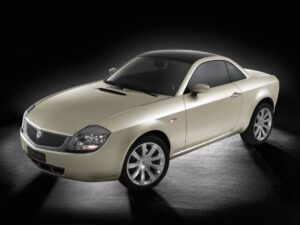
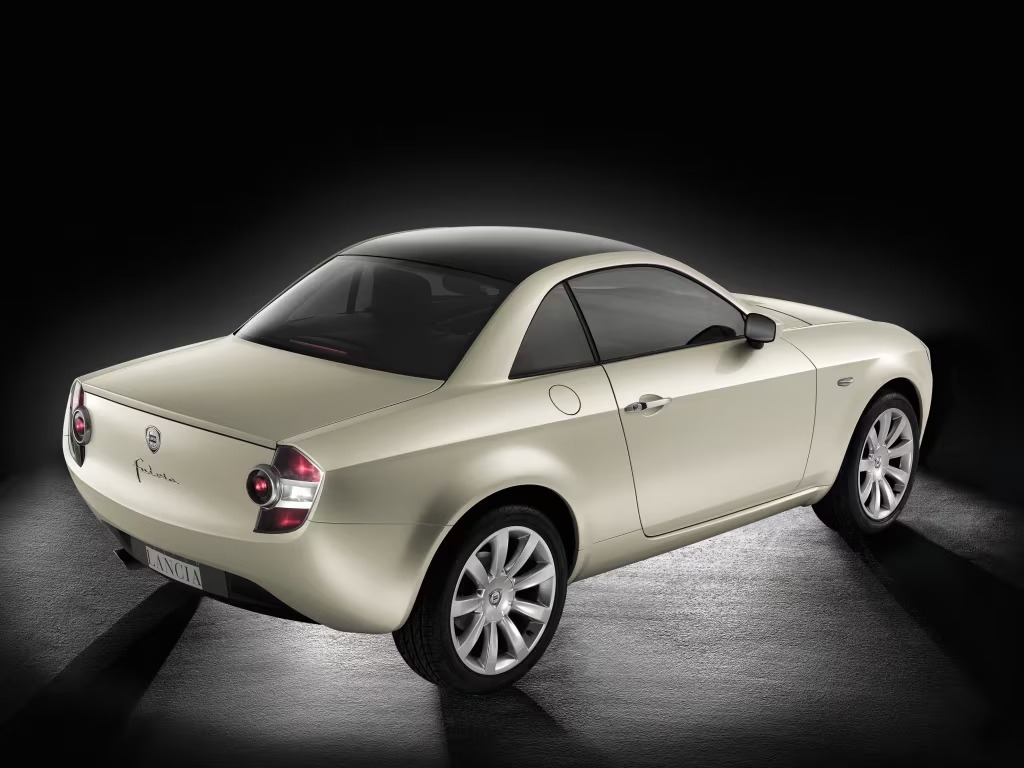
Designers Flavio Manzoni and Alberto Dilillo managed to translate the look of the classic Fulvia Coupe onto contemporary mechanicals while preserving all the charm of the original. Clean flanks, magnificent rear lights, and perfect proportions made the concept incredibly charismatic.
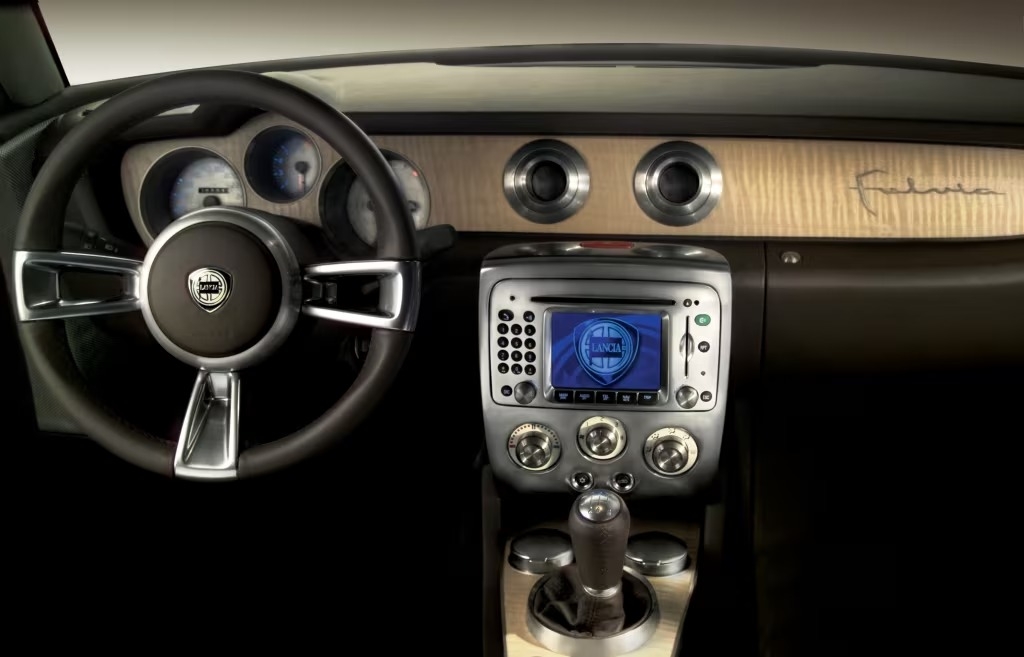
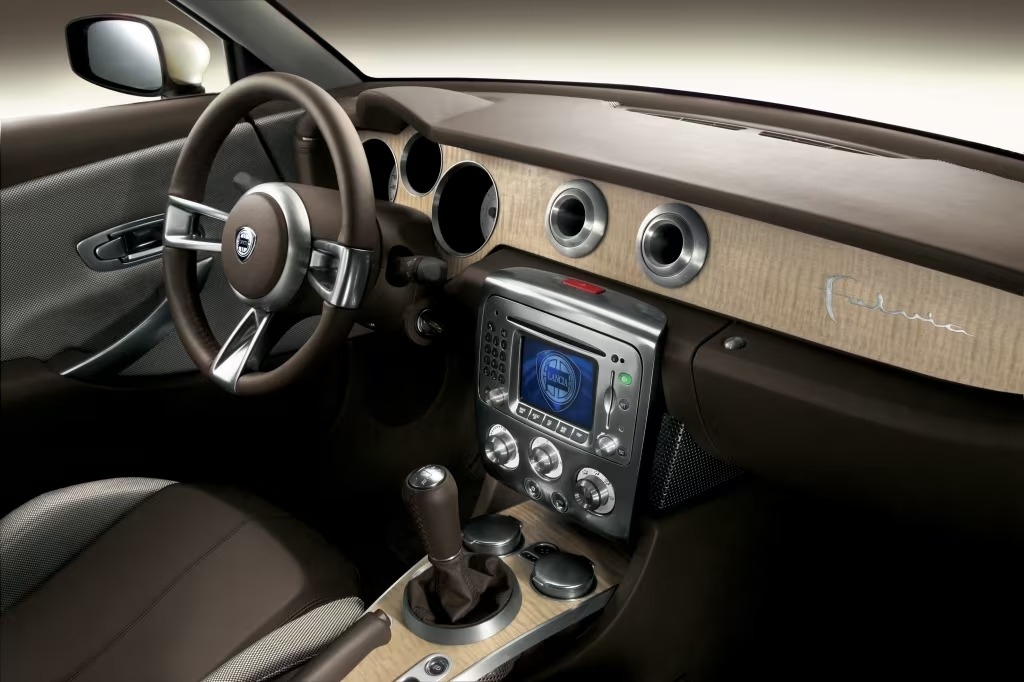
The interior was also outstanding. Dark brown leather, wood trim with striped grain, and metal controls looked so expensive that even the Audi TT’s cabin appeared somewhat ordinary by comparison — and Audi was considered one of the leaders in interior quality at the time.
Most remarkably, the concept was fully functional. Under the hood sat a 1.8-liter four-cylinder engine that could accelerate to 60 mph in 8.6 seconds. It was helped by a very low curb weight of just 2,180 pounds. What’s more, Lancia even allowed journalists to drive the Fulvia Concept, something extremely rare for concept cars.
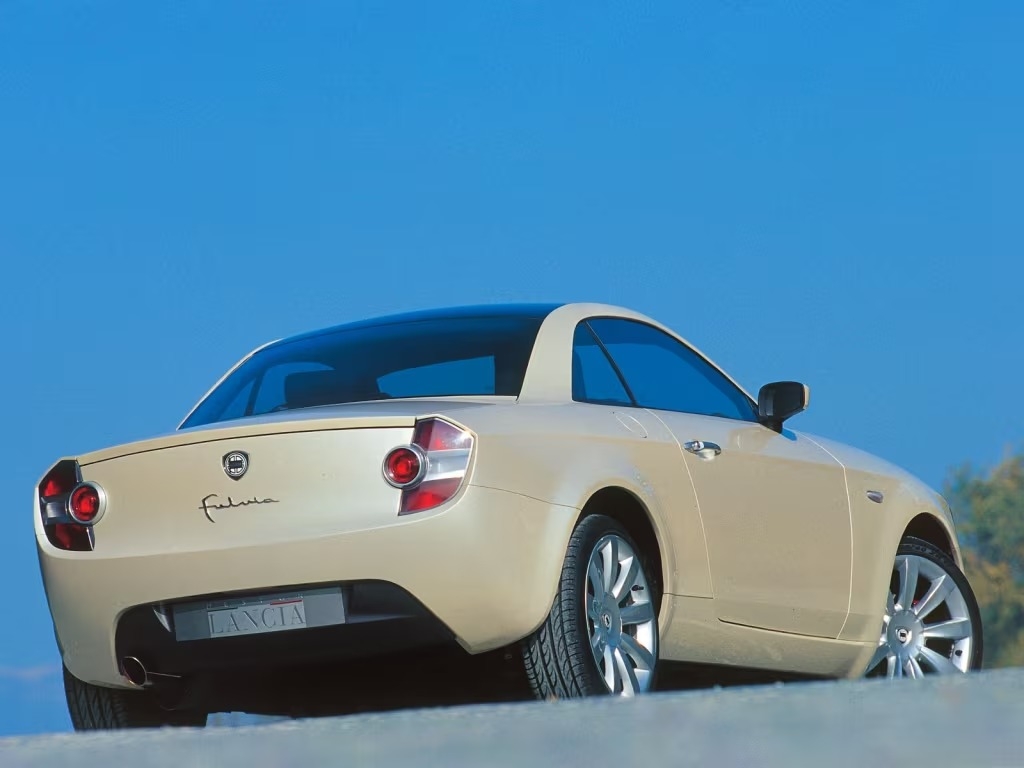
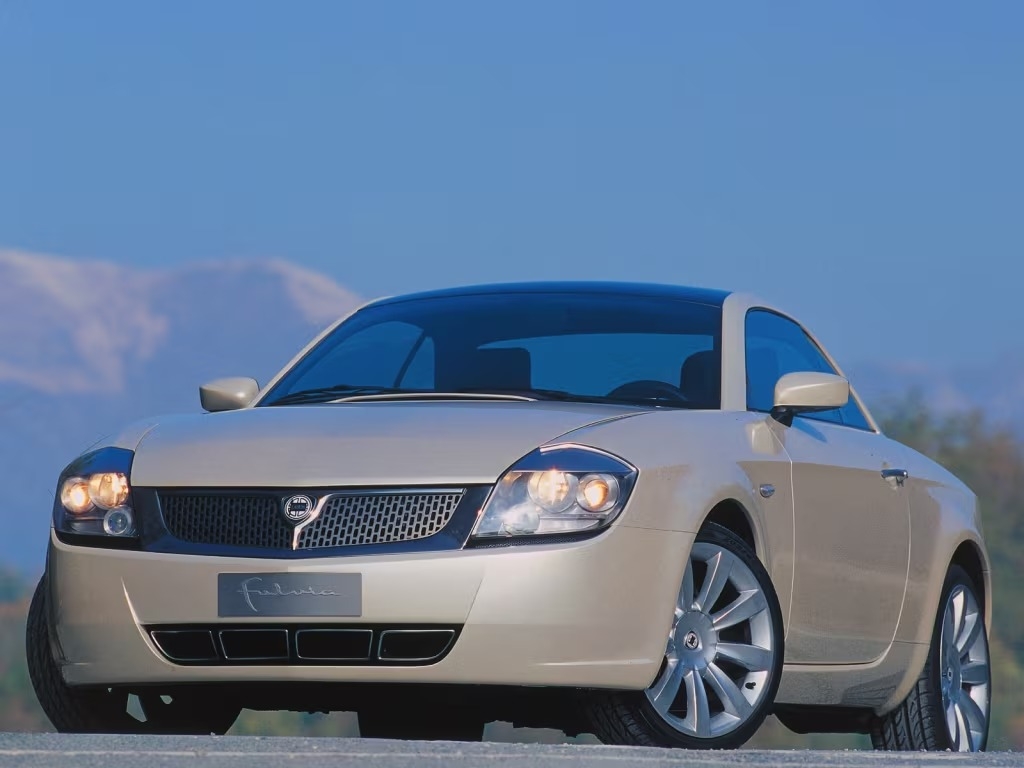
For a brief moment, it seemed the project had a real chance of entering series production. Evo magazine wrote that “while we can’t be completely sure Lancia will do the right thing, the signs look promising. Public reaction has been incredibly positive, and following the recent restructuring within the Fiat Group, the brand may finally be able to return to being a sporting marque rather than playing second fiddle to Alfa Romeo.”
Unfortunately, those hopes were never realized. Shortly after its debut, the project was canceled. The Fiat Group was in the midst of a severe financial crisis, losing more than a billion dollars per year. Additionally, production of the Fiat Barchetta — the platform on which the Fulvia was to be based — was coming to an end. Under those conditions, launching a sporting coupe for Lancia was deemed too risky.
The Lancia Fulvia concept was simply too good for its time and became a victim of unfortunate circumstances. Today, a car like this would likely never see the light of day due to shifting customer tastes and increasingly stringent electrification requirements.
That is why the Fulvia will forever remain one of those beautiful cars that never made it to the production line but continue to live in the hearts of automotive enthusiasts.