Snowmobiles are great — until the snow disappears. Unless you live in one of the few places on the planet where snow cover lasts nearly year-round (and those places are becoming rarer), a snowmobile spends most of its time taking up space in the garage.
This problem has existed for as long as snowmobiles themselves, which is why inventors and entrepreneurs came up with several fascinating solutions several decades ago.
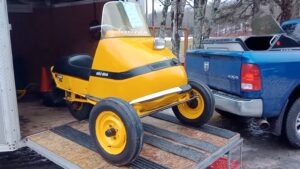
In the late 1960s and early 1970s, you could buy special conversion kits that turned a snowmobile into a three-wheeled all-terrain vehicle for use during the warmer months. However, with the arrival of full-production ATVs in the 1970s, interest in these kits quickly faded.

Nevertheless, the internet has preserved the memory of even these unusual projects. Two of the best-known makers of such snowmobile conversion systems were Wunder Wheels and Skat Trak.
Wunder Wheels was a product of the Canadian company Forward Ideas Limited, founded in 1968 by Andri Balash. According to a newspaper article from the era, Balash wanted to hire an inventor to create something truly out of the ordinary.
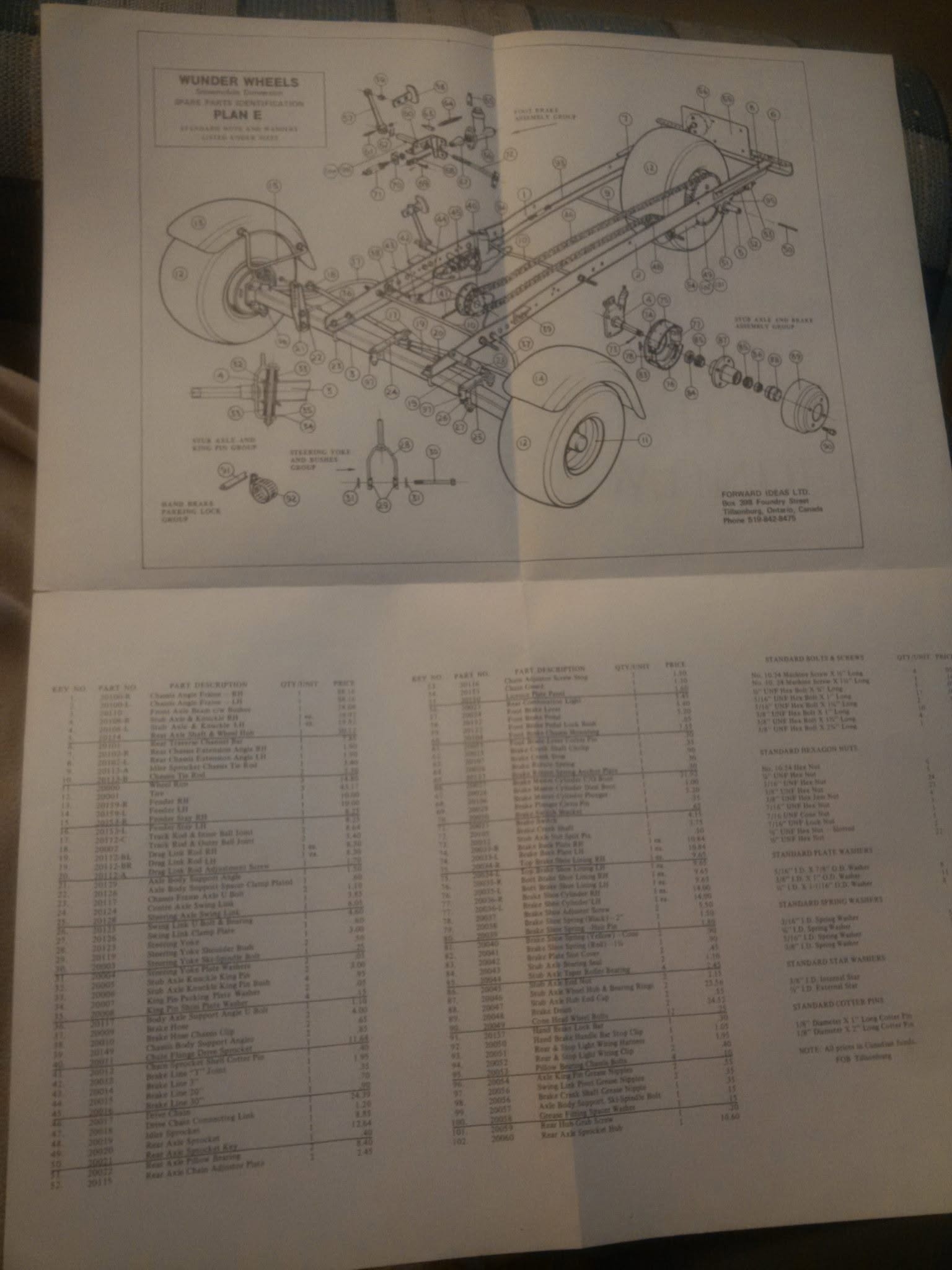
That inventor was British engineer Donald Sessions. He designed a steel frame that mounted beneath the snowmobile. It carried the steering mechanism for two front wheels and a drive sprocket for the single rear wheel.
Skat Trak’s story began even earlier. The company was founded in 1952 as Acricast. Its conversion kit featured a simpler design: an independent front suspension that bolted directly to the snowmobile’s ski mounting points, eliminating the need for a separate frame.
Additionally, Skat Trak produced its own paddle tires that allowed the snowmobile to be used on sand, effectively turning it into a sand buggy. These tires appear to still be available today, even though the company’s official website is no longer active.
The practical benefit of these kits was obvious. In Canada, snowmobiles converted this way were even legally permitted on certain public roads at the time. How widespread these solutions actually became, however, remains unknown.
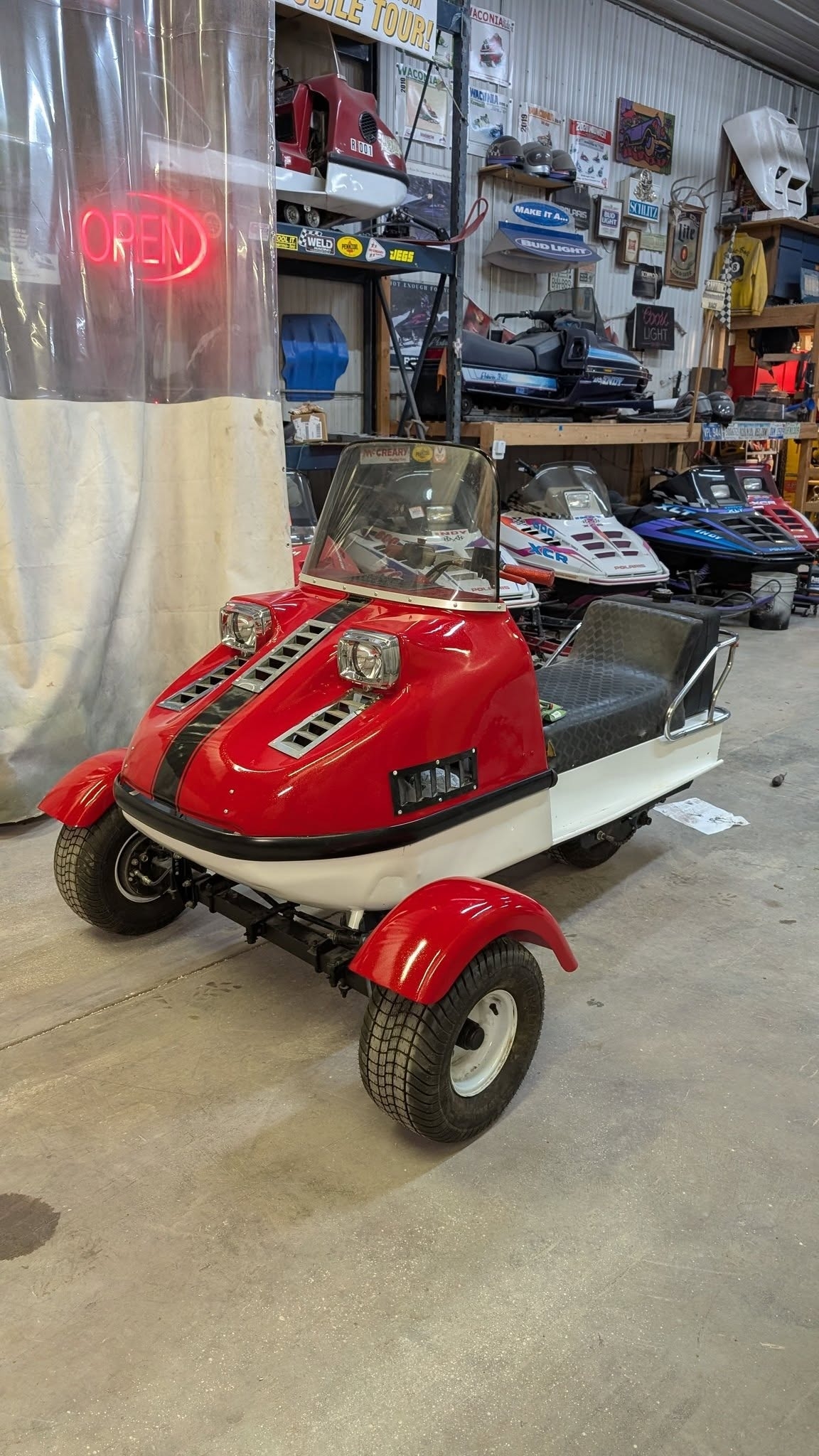
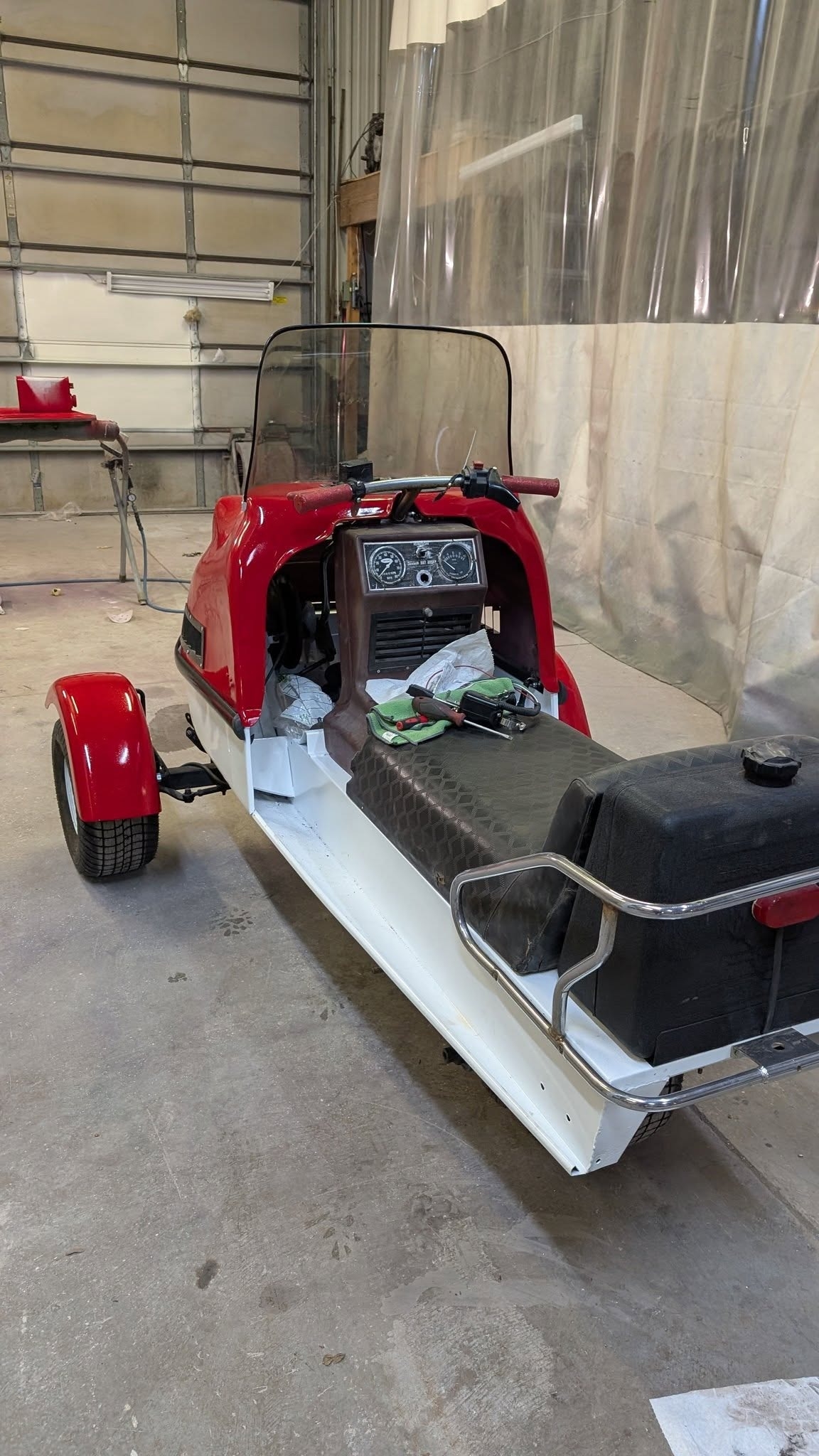
One community member, citing conversations with former employees, claims that Forward Ideas’ plant in Tillsonburg, Ontario, produced only 1,751 Wunder Wheels kits. This likely explains why they are so rare today.
These conversion kits are interesting not only for their practicality — allowing the same machine to be used year-round — but also because they serve as a reminder of an era when starting a business in a narrow niche didn’t require assembling a team of programmers and developing yet another app. It was precisely these unusual and bold ideas that did much to advance the market for vehicle accessories and modifications.