Some of us have grown increasingly disillusioned with screens in cars, and the reason is obvious: they can be overwhelming, detrimental to safety, and turn simple tasks into frustrating experiences.
Half a century ago, however, traditional instruments were blended with new technology in a highly convincing way — even if that era was short-lived.
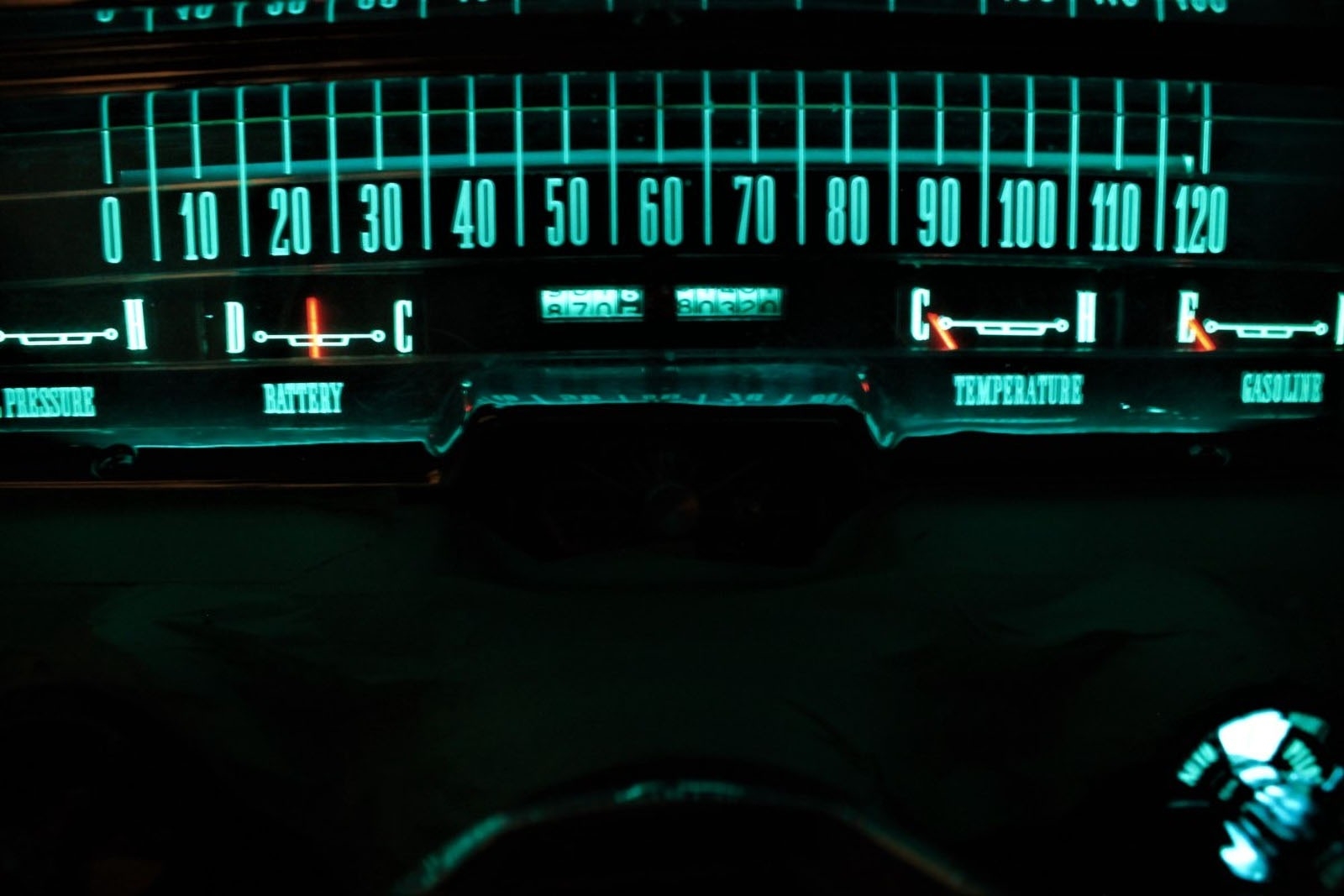
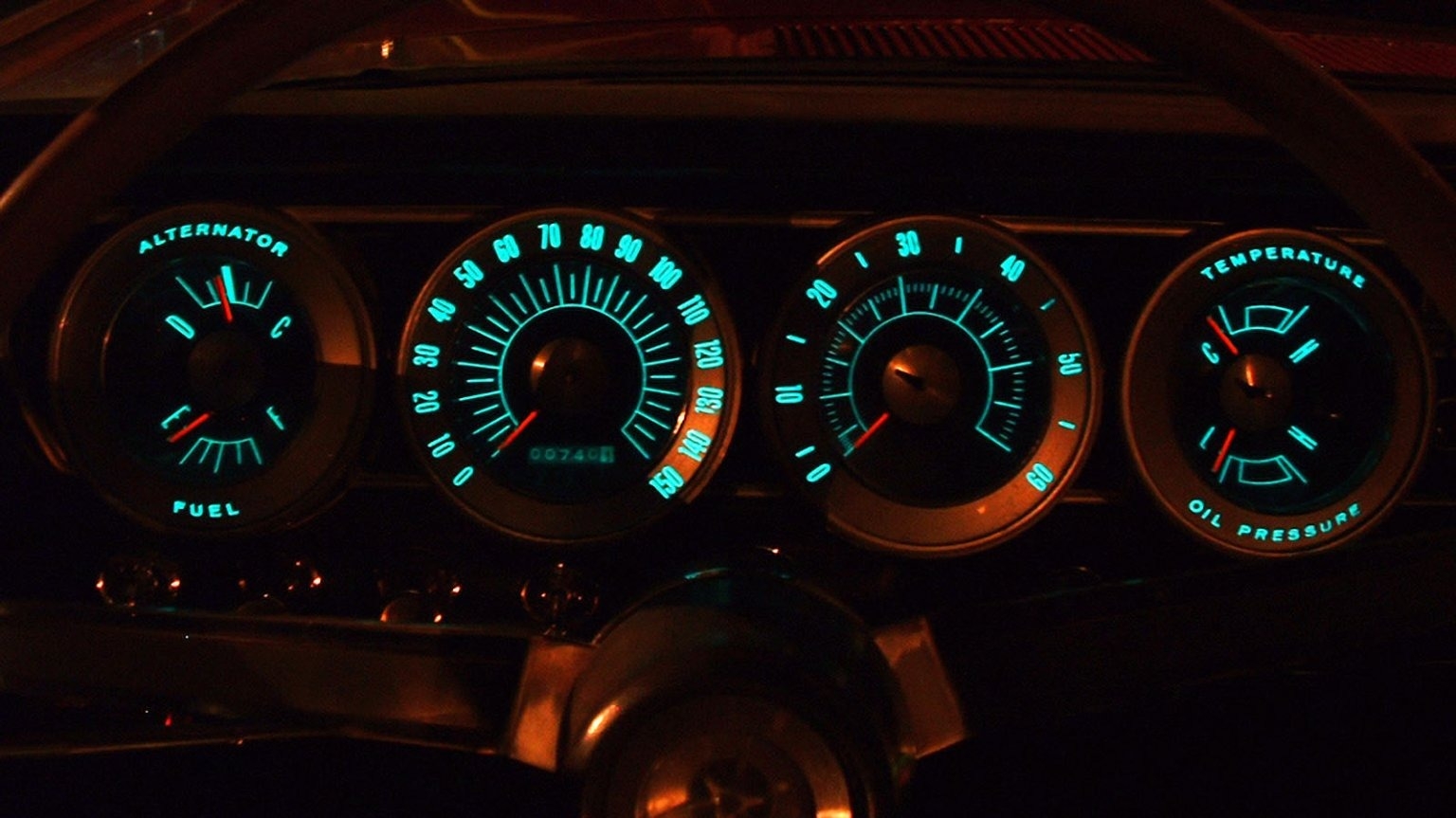
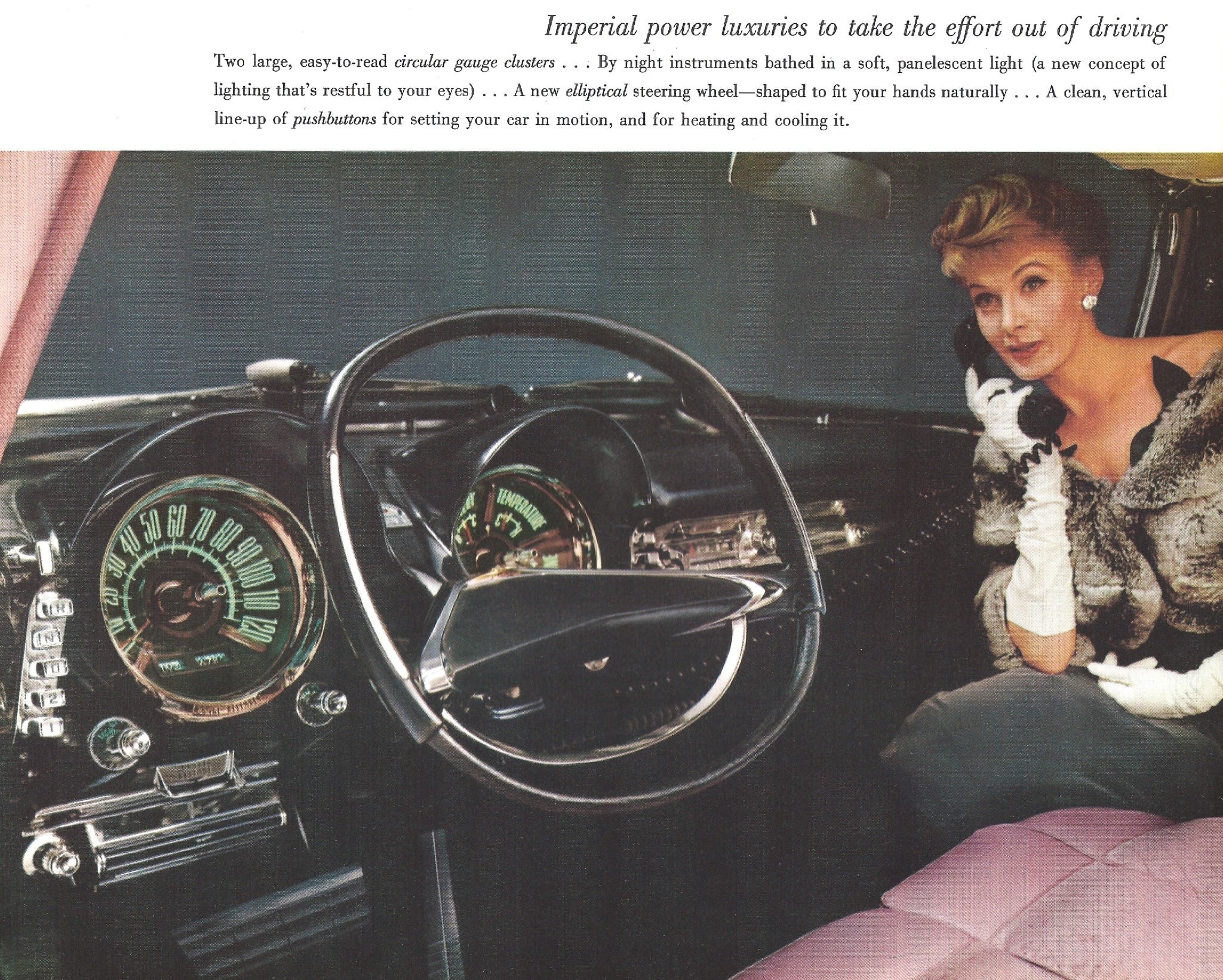
You may have heard of electroluminescent gauges — a feature well known to fans of classic Mopar vehicles. In the 1960s, certain Chrysler models such as the Windsor, Saratoga, New Yorker, and Newport, and later the Dodge Charger, used technology familiar to anyone who owned an electronic watch in the 1990s.
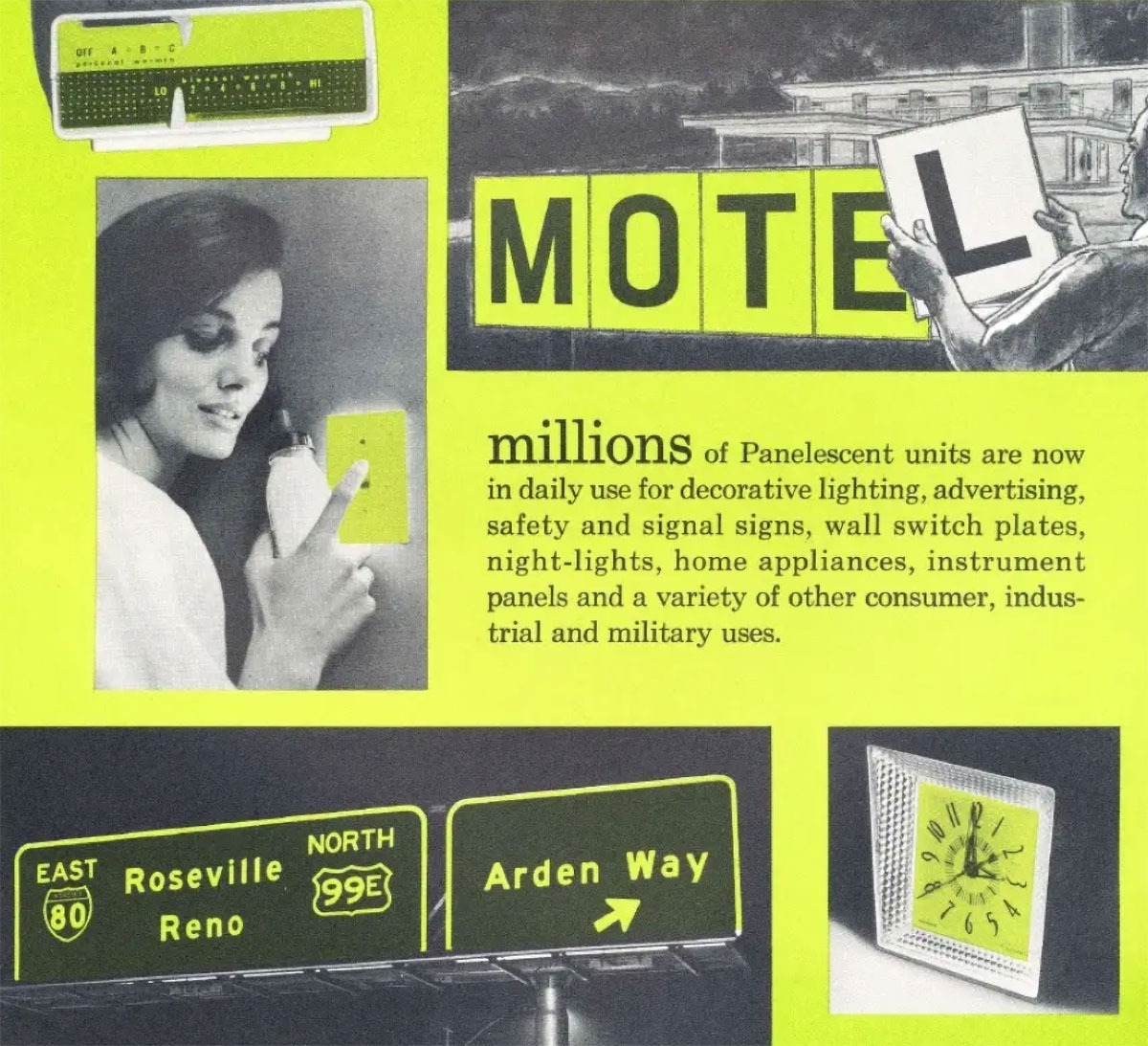
These unusual instrument panels were not illuminated by tiny incandescent bulbs hidden inside. Instead, they employed a groundbreaking electroluminescent system brought to market by Sylvania. “Panelescent” was one of Sylvania’s marketing names for the technology, which worked on the same principle as the Indiglo backlight found in Timex watches.

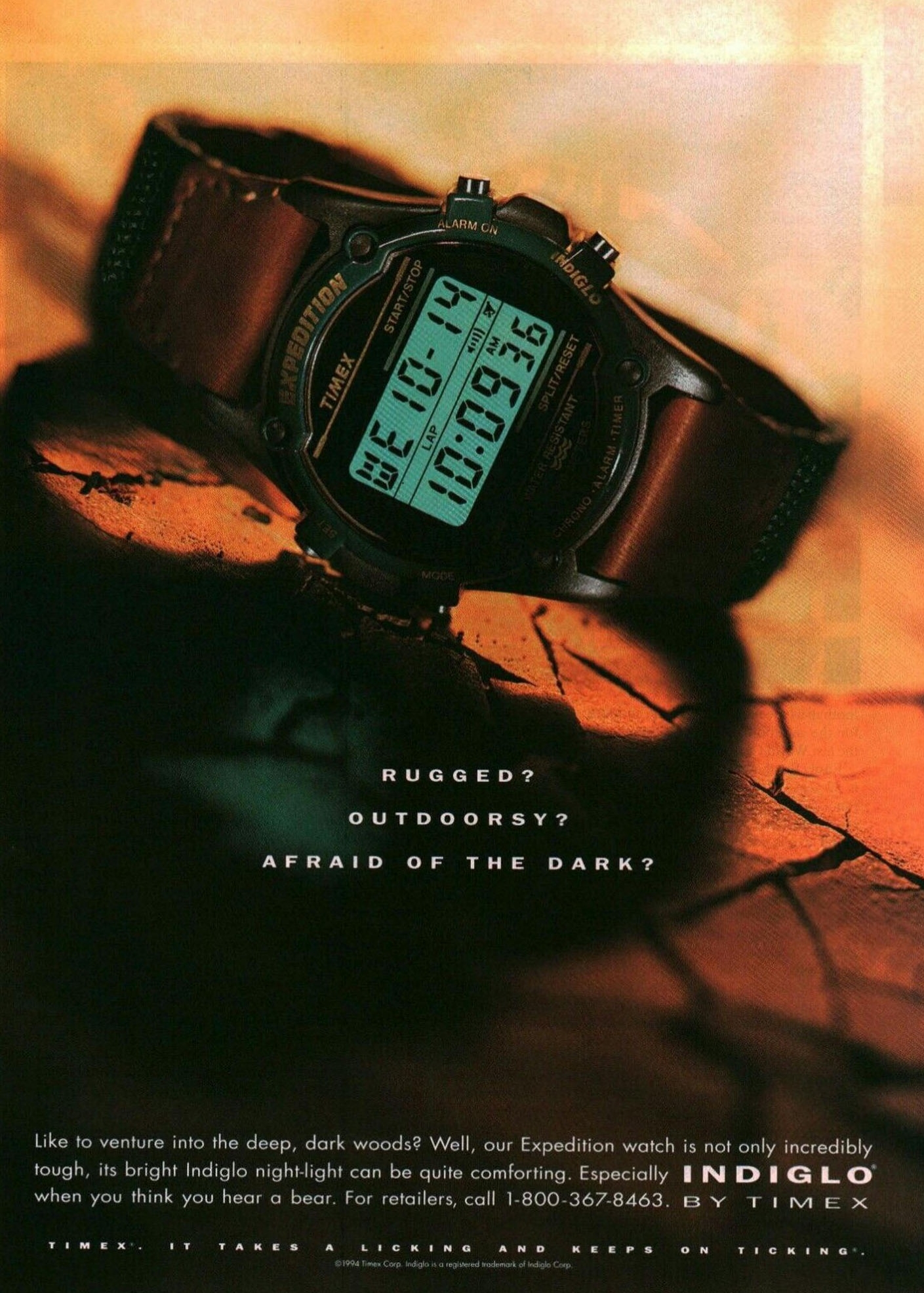
Electroluminescence is the process of passing an electric current through phosphor, causing it to glow. An electroluminescent panel consists of three key components: an opaque metal electrode, a layer of phosphor, and a transparent conductive layer that also carries current but allows light to pass through.
The bottom and top layers are connected to an AC voltage source, and the current directly excites electrons in the phosphor, allowing them to release energy as visible light.
This was a breakthrough 60 years ago, and Sylvania’s marketing materials from the period accurately explained why: the process is energy-efficient, generates very little heat, and produces perfectly even illumination that looks consistent from any viewing angle. The last point is crucial, as even modern displays lose brightness and color accuracy when viewed off-angle.
The effect looks spectacular both in person and in photographs. There was nothing else like it at the time. The result was excellent, but the execution — particularly in the early versions — was problematic. The inverter required to convert the car’s 12-volt DC power into the high AC voltage needed often failed, and the phosphor’s ability to glow would gradually diminish over time.
The technology was later refined. Early displays used powdered phosphor. In the 1980s, companies such as Sharp managed to commercialize thin-film designs, which led to electroluminescent panels appearing in countless products, including watches and personal organizers.
It’s a shame that Chrysler introduced electroluminescent instrumentation in cars before the technology had been perfected, because by the time it had matured, most automakers had already lost interest.
Toyota was a notable exception, using the technology for the instrument cluster in the first Lexus LS. The LS gauges appeared to float in infinite black space thanks to the clever use of mirrors.